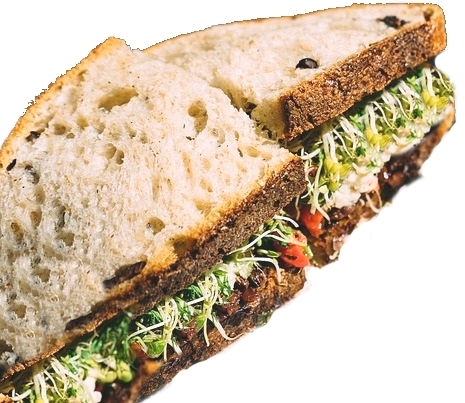
1. Sprouting is Green
Sprouts are the edible young shoots of a plant as it germinates from a seed to a plant. Sprout seeds are low-cost and provide a steady supply of healthy, economical food. The seeds can be stored for 3 – 5 years if kept dry and at room temperature.
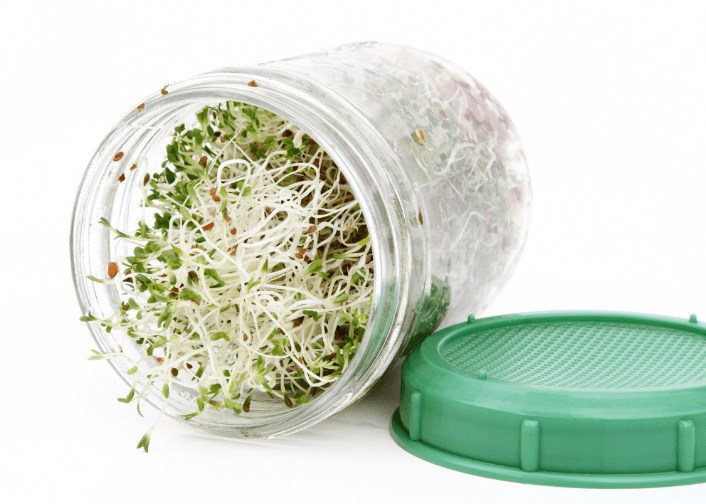
Sprouting requires no electricity and minimal water — the growing process requires simply sunlight and moisture. Unlike gardening, you don’t need soil, fertilizers, specialized processing, or packaging. You can sprout seeds in a bag, mason jar, or recycled plastic container.
Sprouts will grow in nearly any climate, although you will achieve the best results when the surrounding temperature is 50 – 80 degrees. You can grow sprouts indoors any time of the year. Sprouts do not require refrigeration but will keep longer if kept cool and moist. Furthermore, you can eat sprouts raw, and since they contain chlorophyll, they are indeed GREEN 🙂
2. Peak Freshness
Store-bought sprouts are often past their prime. The tender shoots will turn yellow and slimy within days, leaving you a fistful of decayed shoots. Instead of purchasing sprouts, grow from seed and enjoy them as needed. Fresh sprouts are incredibly delicious and refreshingly crispy.
3. Nutritional Benefits
Germinating seeds, grain, and legumes produces nutritional benefits. It provides a good source of protein, vitamin B content, especially thiamin and niacin; it increases the phytonutrient beta-carotene and vitamin C and Vitamin E; sprouting grain neutralizes phytic acid, a substance in the bran of grains that inhibits the absorption of calcium, magnesium, copper, iron, and zinc; the process of sprouting also makes the food (especially beans) more digestible because the starch (responsible for intestinal gas) transforms to sugar. Sprouts pre-digest the starches for us, making them easier to digest and extract the nutritional benefits.
Sprouts such as clover, alfalfa, radish, and broccoli contain concentrated amounts of phytochemicals (plant compounds) that offer disease protection. Broccoli is concentrated in sulforaphane, a substance that protects against free radical damage in cells.
4. Keeping Tradition
Consuming sprouts is an ancient practice that dates back at least 5,000 years ago, when Chinese doctors prescribed sprouts to treat health disorders. The U.S. took an interest in sprouts during WWII after investigating them as a convenient food source for troops. Past generations reaped the benefits of sprouted grains before it was known as a “health food” when stacks of grains in the fields partially germinated before storage. Current farming practices prevent the grains from sprouting while in storage.
Additional Resources
Dr. Op Walker discusses the nutritional benefits of sprouts on PBS’ Medicine Garden.
Sprouting Nutrition from International Sprout Grower’s Association
Risks
U.S. Food and Drug Administration would like for you to know that sprouts do carry risk. As with growing any plant, these conditions can support the growth of Salmonella or E. coli. Sanitation is critical when eating any raw food. Purchase certified organic seed from a reputable source. Rinse the seeds with clean water and skim off any floating seed, seed coatings, dirt particles and potential pathogens the first day when you soak seeds. Keep your hands clean when handling sprouts. If you’re unsure if the sprouts are safe to consume, cooking will eliminate pathogens. Information from the U.S. Food and Drug Administration.