Eating poorly on the trail will lead to fatigue in the short-term and illness in the long-term.
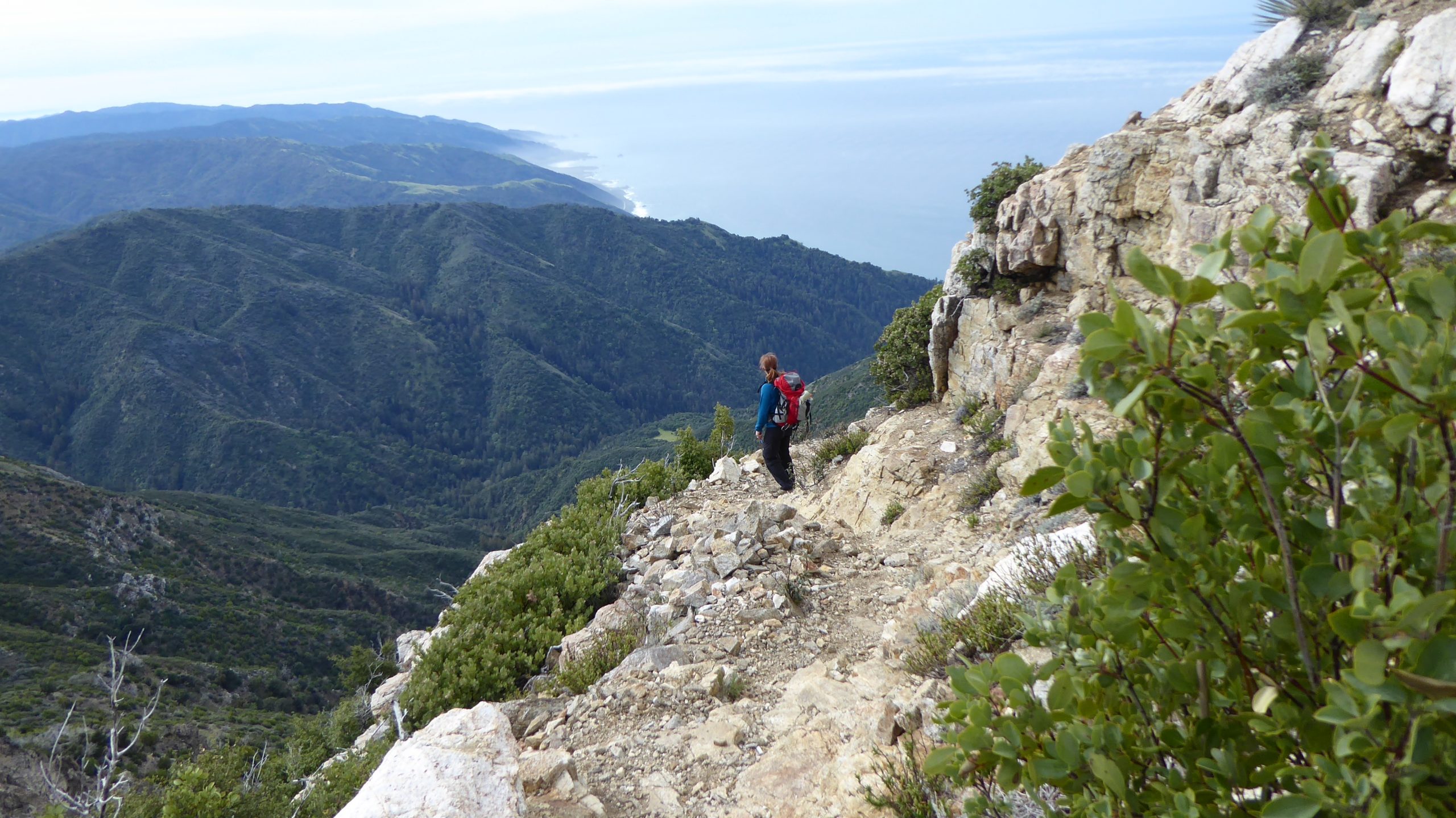
The United States is home to some of the world’s most rugged and remote long-distance hiking trails. These trails, with their diverse and stunning landscapes, are a magnet for hikers from all corners of the globe, promising an unforgettable adventure. The ‘triple crown’ of trails, a term used to refer to the three most popular long-distance hiking routes in the U.S., includes the Appalachian, Continental Divide, and Pacific Crest trails. These trails, each with its unique challenges and rewards, are a significant part of the long-distance hiking culture in the U.S. Your choice of trail should align with the type […]
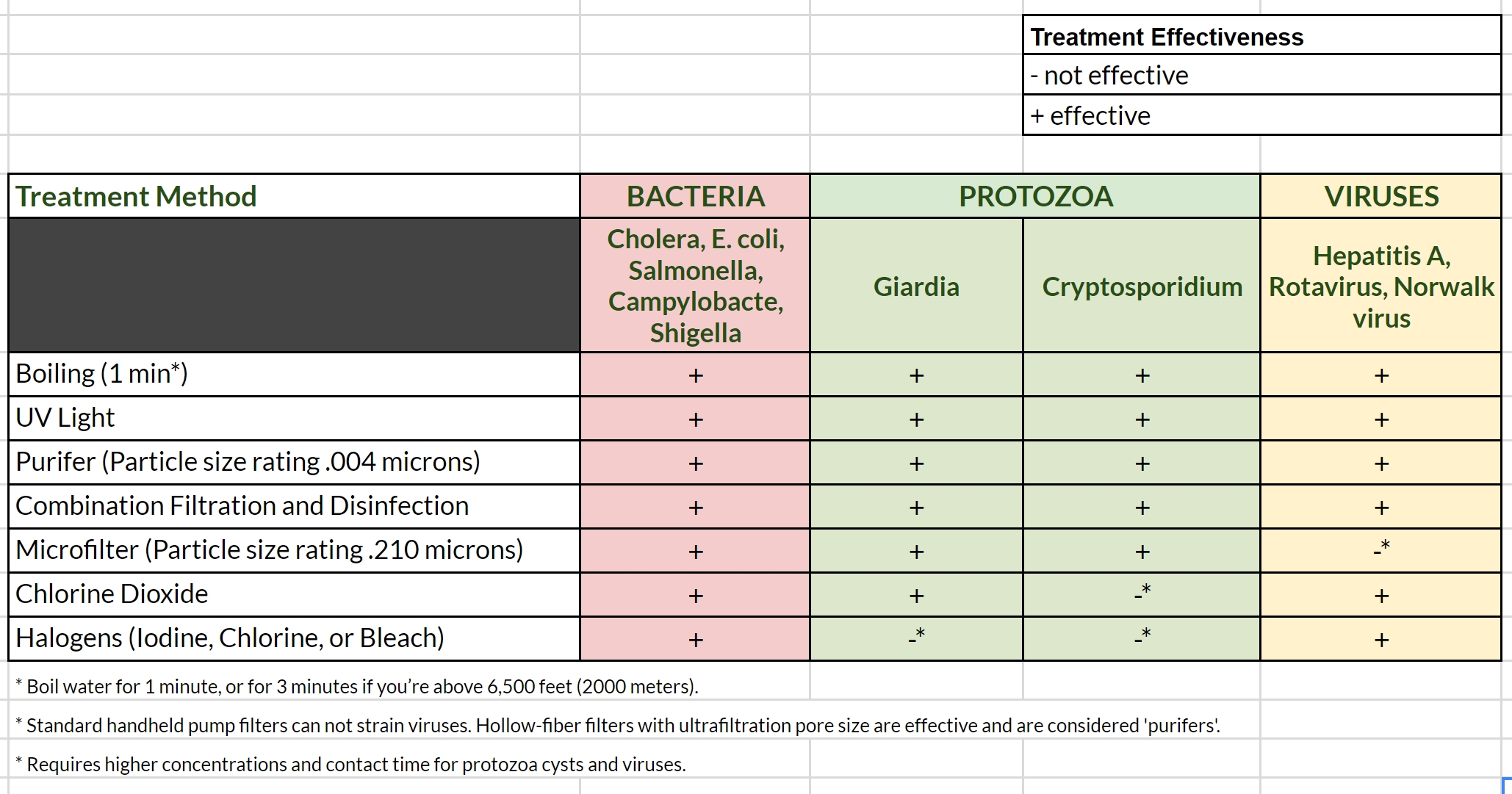
That cold fast moving clear mountain spring appears pristine to the naked eye, but microscopic organisms are thriving in its water by the millions. If ingested, some of these microorganisms can cause severe gastrointestinal infections resulting in diarrhea and vomiting. Two such common microorganisms you might encounter in wilderness waters are Giardia and Cryptosporidium. Here we discuss why you should always treat wilderness water and the type of treatment method you should use based on your location. Biologically Contaminated Water Biologically contaminated water is water that contains microorganisms such as protozoa, bacteria, or viruses that can lead to gastrointestinal infections. These […]

Every year, people prepare for the journey to the Black Rock Desert in Nevada to participate in a temporary, experimental community known as Black Rock City. Centered on radical self-expression and art, it makes for a memorable experience. Participants must bring their food, which can be challenging due to the heat. Below is a list of suitable foods to take to the Playa. 1. Use Backpacking Food for Quick Meals Freeze-dried foods are a game-changer for Burning Man. It’s the epitome of convenience: it requires no refrigeration or a cooler, is highly portable, and simplifies cooking. Reconstitute the dried meal […]
When you get overheated and sweat, your skin appears pinkish because the capillaries open up near the skin and release water and salts. As the sweat evaporates, it transfers internal heat from the core to the surface of your skin for rapid cooling. The blood near the skin’s surface becomes cooler as it releases your body’s heat into the air. This cooler blood then recirculates through the body. The perspiration and evaporation process is the primary method used by the body to cool itself down; however, it is effective when sweat can evaporate. The rate at which water or sweat evaporates depends […]