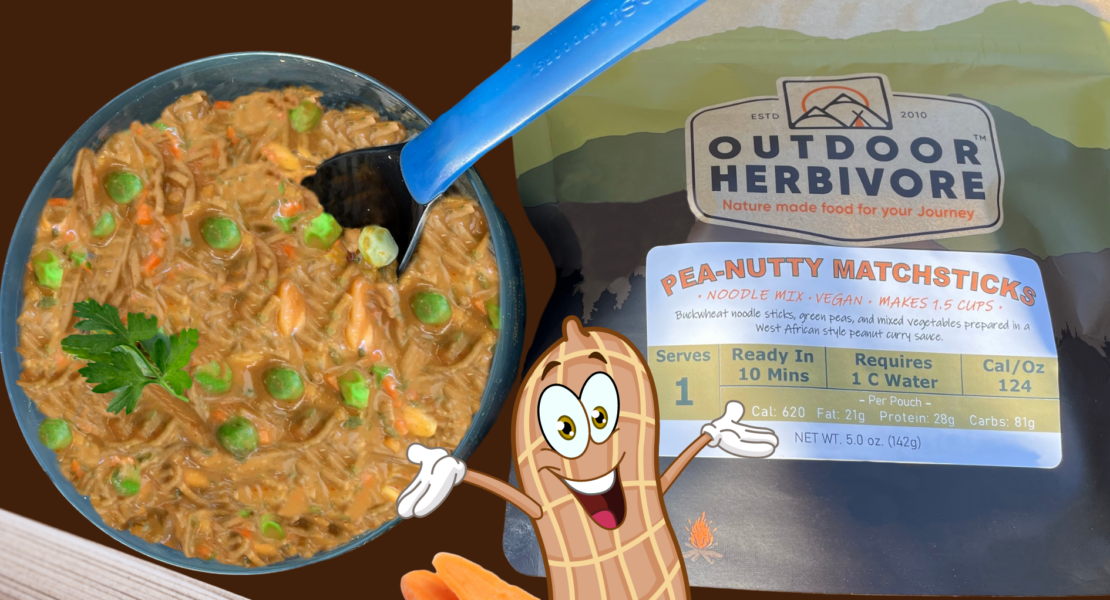

Protein is trending: although most Americans already get enough, the PROTEIN label is now a major selling point—appearing even on Pop-Tarts, coffee, and candy bars. It’s also a common question we get from customers, so we’ve compiled our highest-protein backpacking meals. Here are Outdoor Herbivore’s top meals and breakfasts that pack a protein punch! High Protein Entrees For this selection of meals, we considered only single-serving meals with 20 grams or more from protein based on a recommended standard intake of 50 grams per day for adults. High Protein Breakfasts A list of Outdoor Herbivore’s single-serving breakfasts containing 20 grams […]
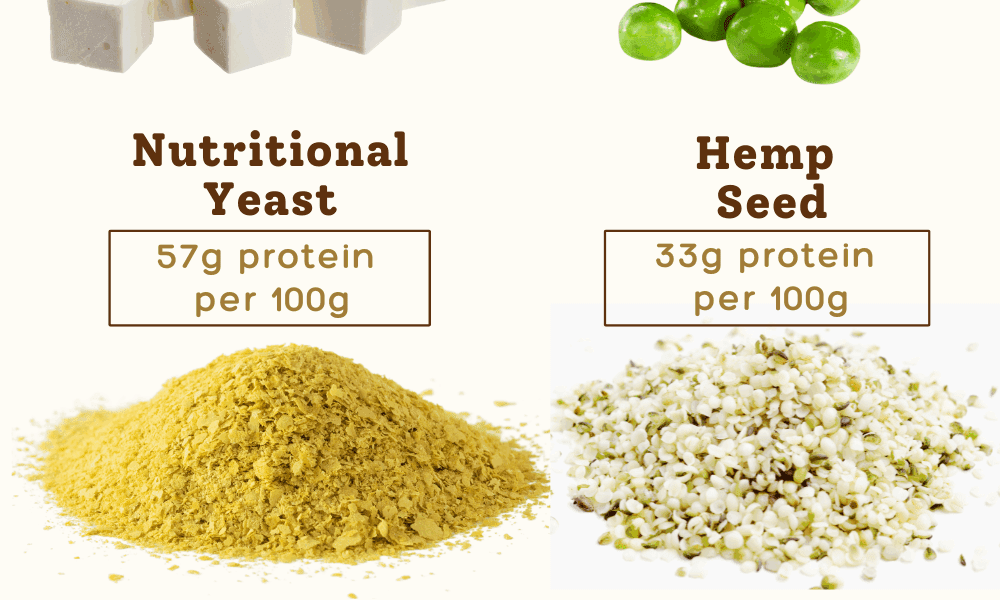
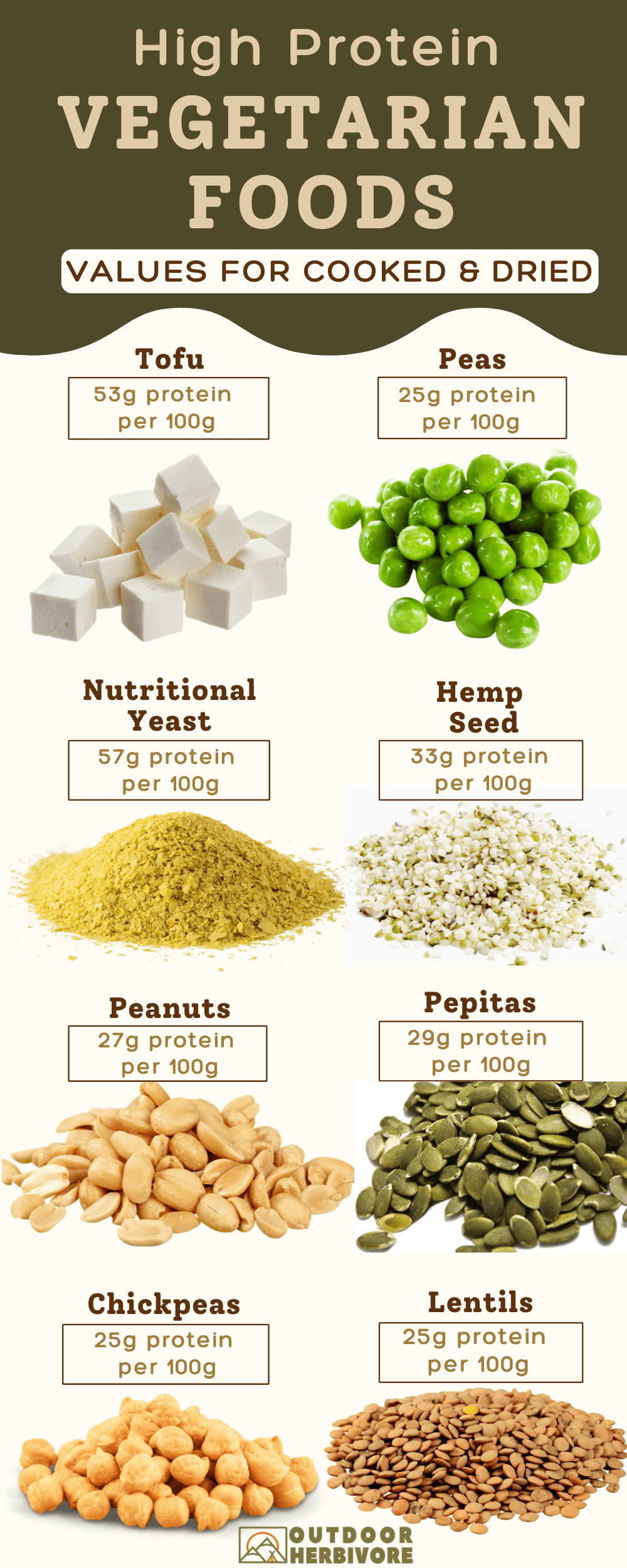
Everyone knows meat, eggs, and dairy as a solid source of protein, but many plant-based ingredients, including legumes, whole grains, nuts, and seeds, are also rich in protein and can be added to trail food to meet (or exceed) your dietary needs. An easy way to boost the protein content of backpacking meals is to mix these proteins into already dried and instant foods like oatmeal, mashed potatoes, rice, pasta, and soup mixes. Small additions to each meal make a big difference in boosting your daily protein needs. Whether you follow a plant-based diet entirely or want to diversify protein […]
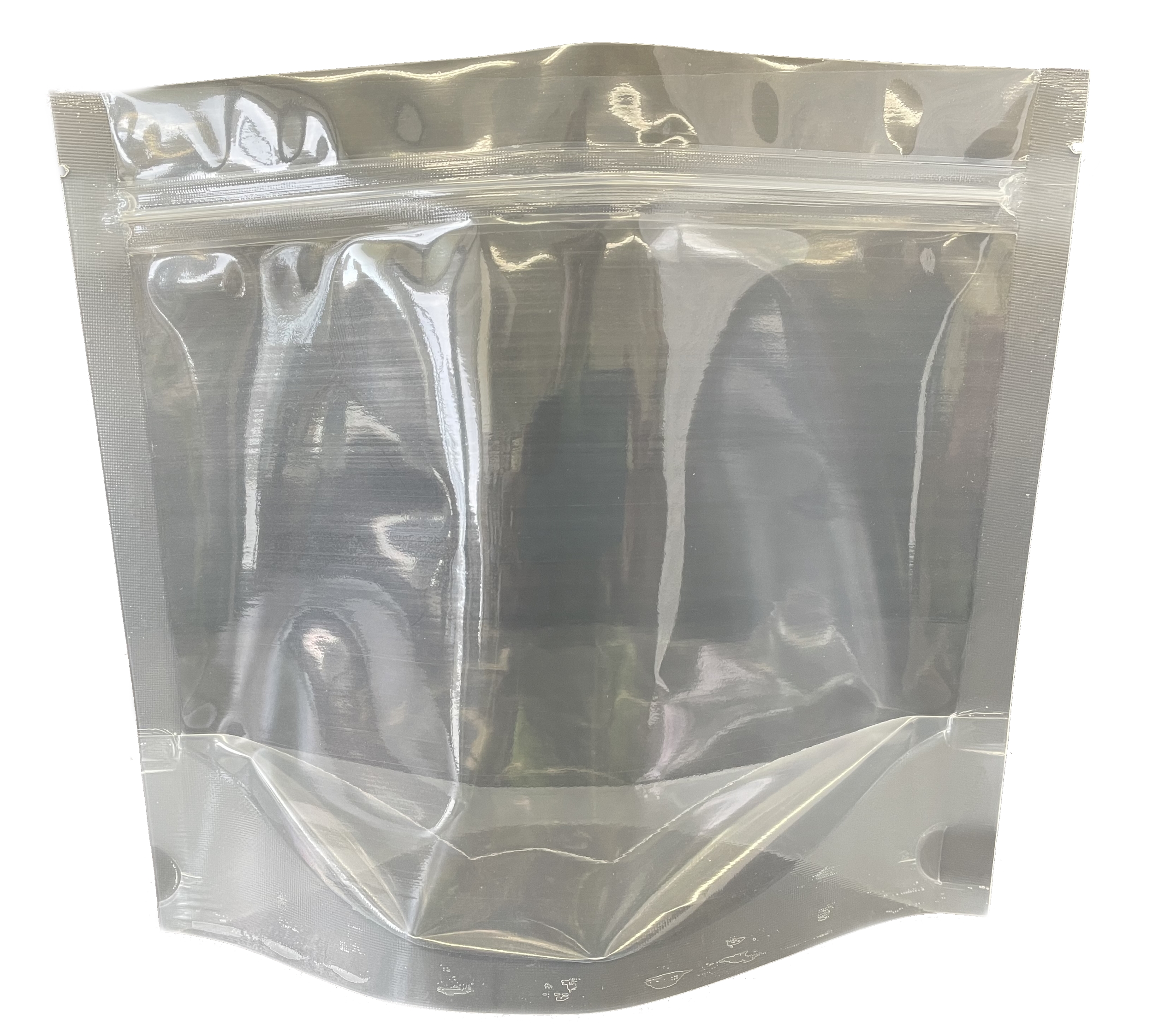
Our boil-soak pouches are designed for backpackers who need a reliable bag to store dried meals and reconstitute them by adding boiling water. These high-temperature stand-up “cook-in pouches” can withstand temperatures up to 230°F (110°C). With a shorter bowl shape, each pouch can hold up to 4 cups (0.95 liters) of liquid. How to use: Place food in the bag, pour boiling water over it, stir, seal with the zipper, and let the food reconstitute for several minutes. Below, we demonstrate reconstituting a dried meal mix using the boil-soak pouch with Outdoor Herbivore’s Lemongrass Thai Curry in the Hungry Single […]
Suppose you’re gearing up for a spontaneous backpacking adventure, but your pantry is empty of trail meals. Or maybe you’re watching your wallet and need quick, affordable options you can grab at your neighborhood grocery or corner store. You might be surprised to know there’s more options besides Knorr pre-seasoned pasta and rice meals, ramen noodles, and meal bars. Checklist of Everyday Grocery Items Suitable for Backpacking For a hot meal, the general rule is to look for instant items with a cooking time of 10 minutes or less. Non-instant food requires prolonged simmering and will quickly deplete your stove […]

Every year, starting around August, we get inundated with burners planning food for the upcoming festival. We’ve put together this page to help answer some common questions we get from newbie burners planning food for their first burn. Food Self-Reliance Burning Man participants should be self-reliant, especially when it comes to food. Because there are no vendors selling meals, you are responsible for bringing and preparing all your own food and drinks. Although sharing food is a big part of the community, you should not rely on others for your meals. While some camps offer communal meals, relying on them […]
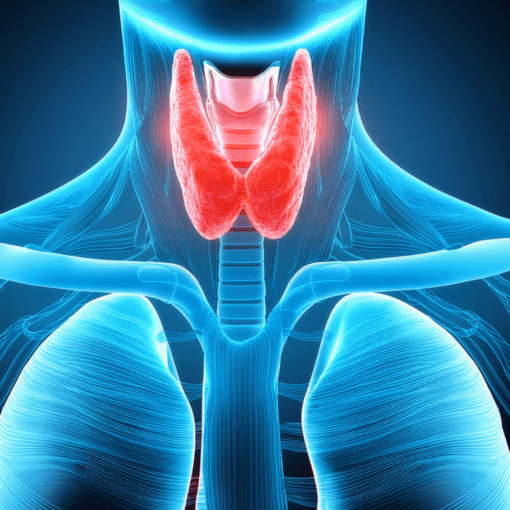
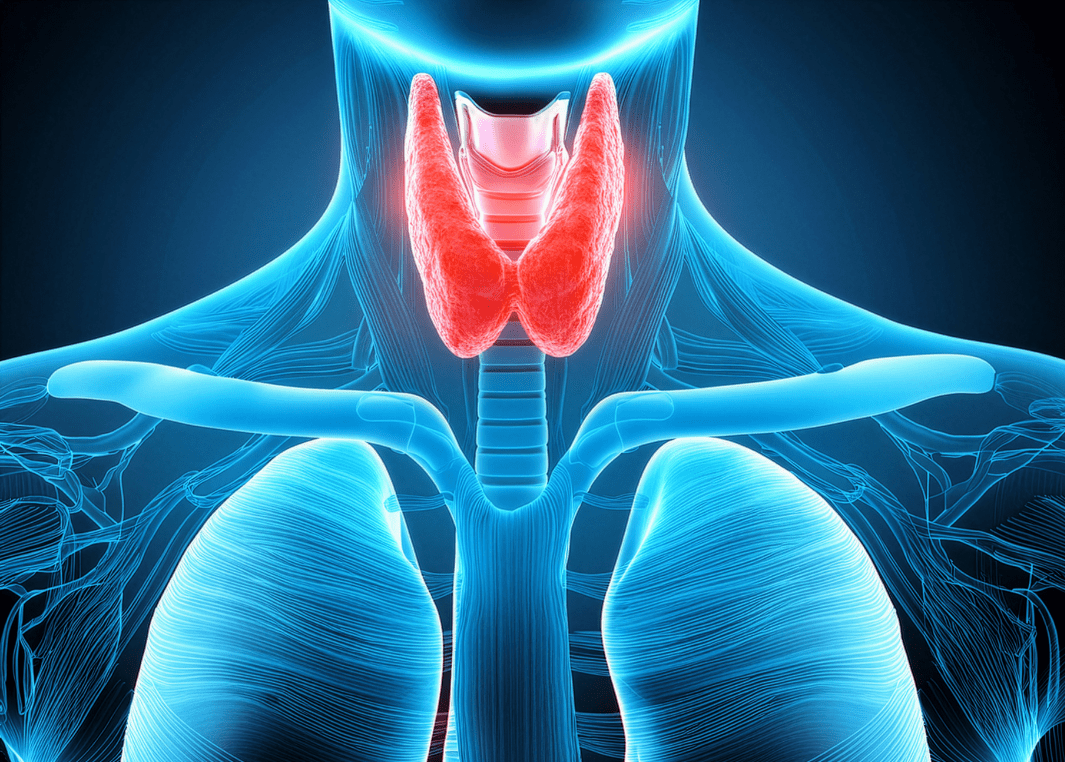
Backpacking fatigue is usually blamed on a heavy pack, steep inclines, insufficient training, or a poor trail diet. However, a connection almost no one thinks about is iodine deficiency. Iodine deficiency affects your thyroid, which dictates how effectively your body uses energy during hill climbs and exertion. Your metabolic “engine” relies heavily on iodine to keep your legs moving forward. When most people think of iodine, they think of salt. However, salty foods do not mean they contain iodine. Backpacking meals — even those high in sodium, including processed food and snacks—do not supply iodine. And hikers making their own trail food […]
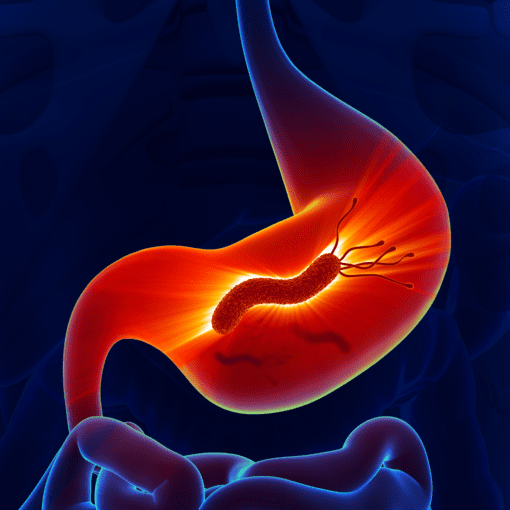
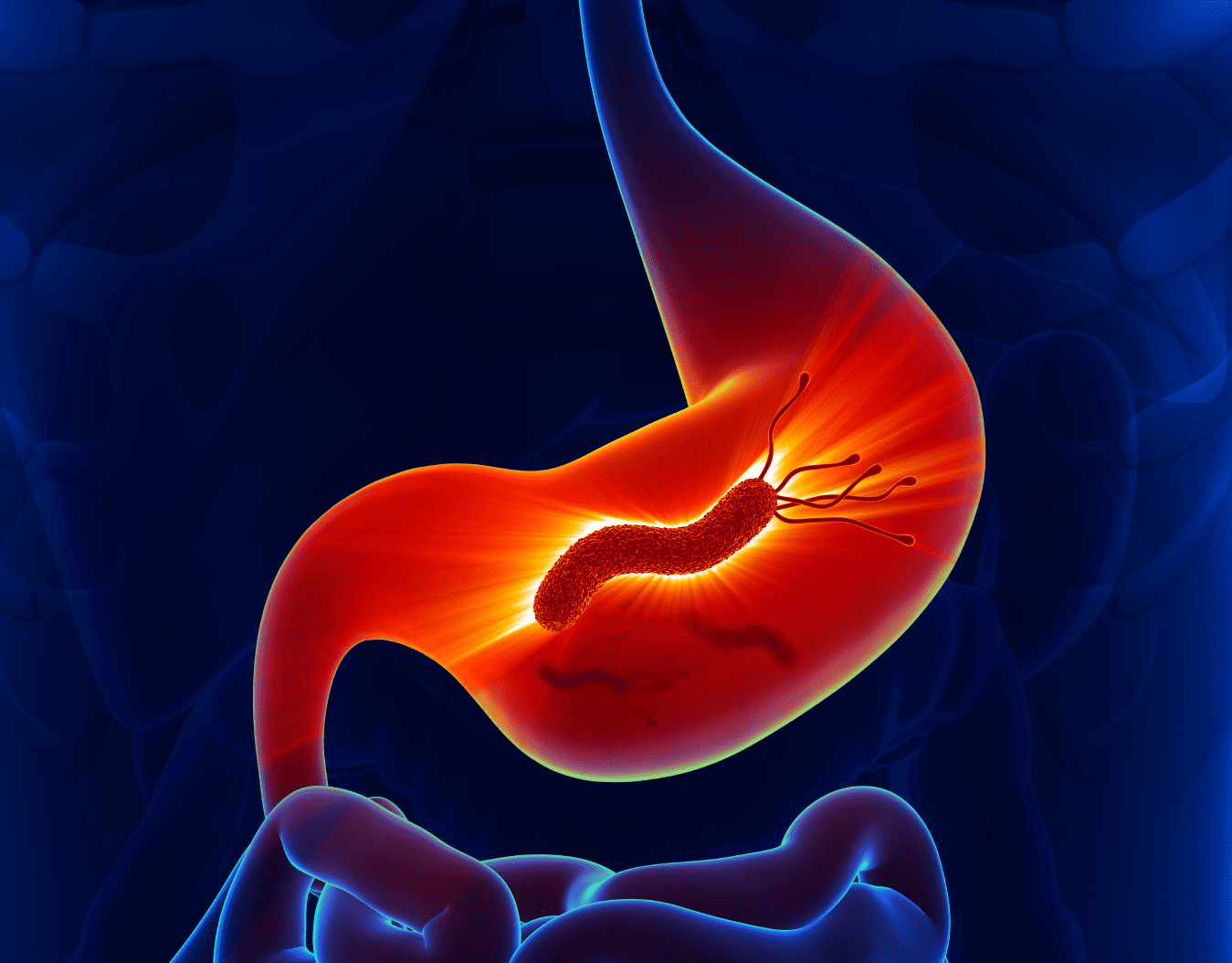
Maintaining digestive health while thru hiking and traveling can be challenging due to changes in your diet, environment, and routine. The microorganisms in your gut continually evolve in response to your environment and the food you eat. Any change to your environment can affect your gut. The last thing you want is to be slowed down on the trail by a bloated and achy stomach. A diverse microbiome is crucial for overall well-being, yet many travelers find their gut health affected while away from home. Western travelers are more affected by travel-related factors because their microbiomes tend to be less […]
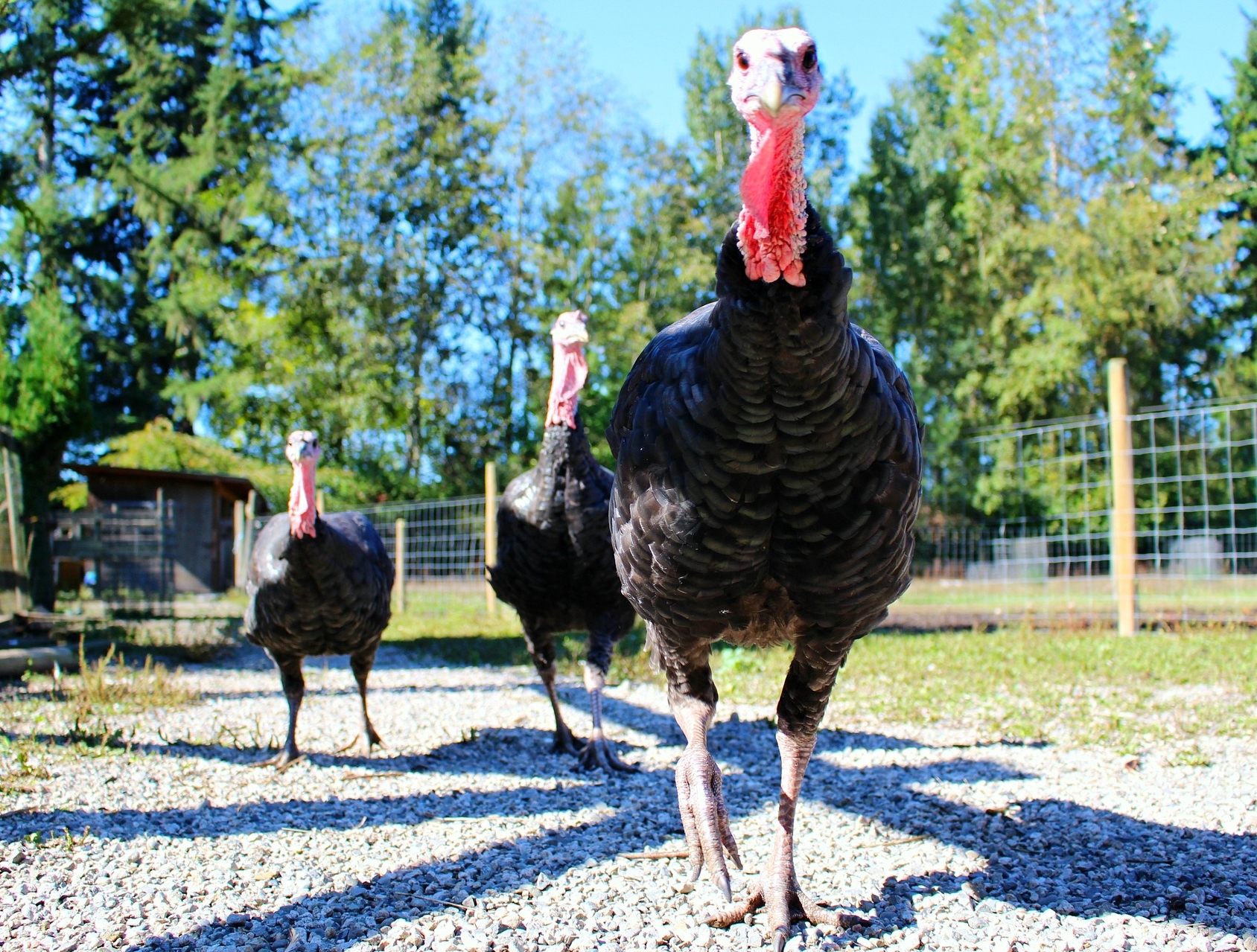
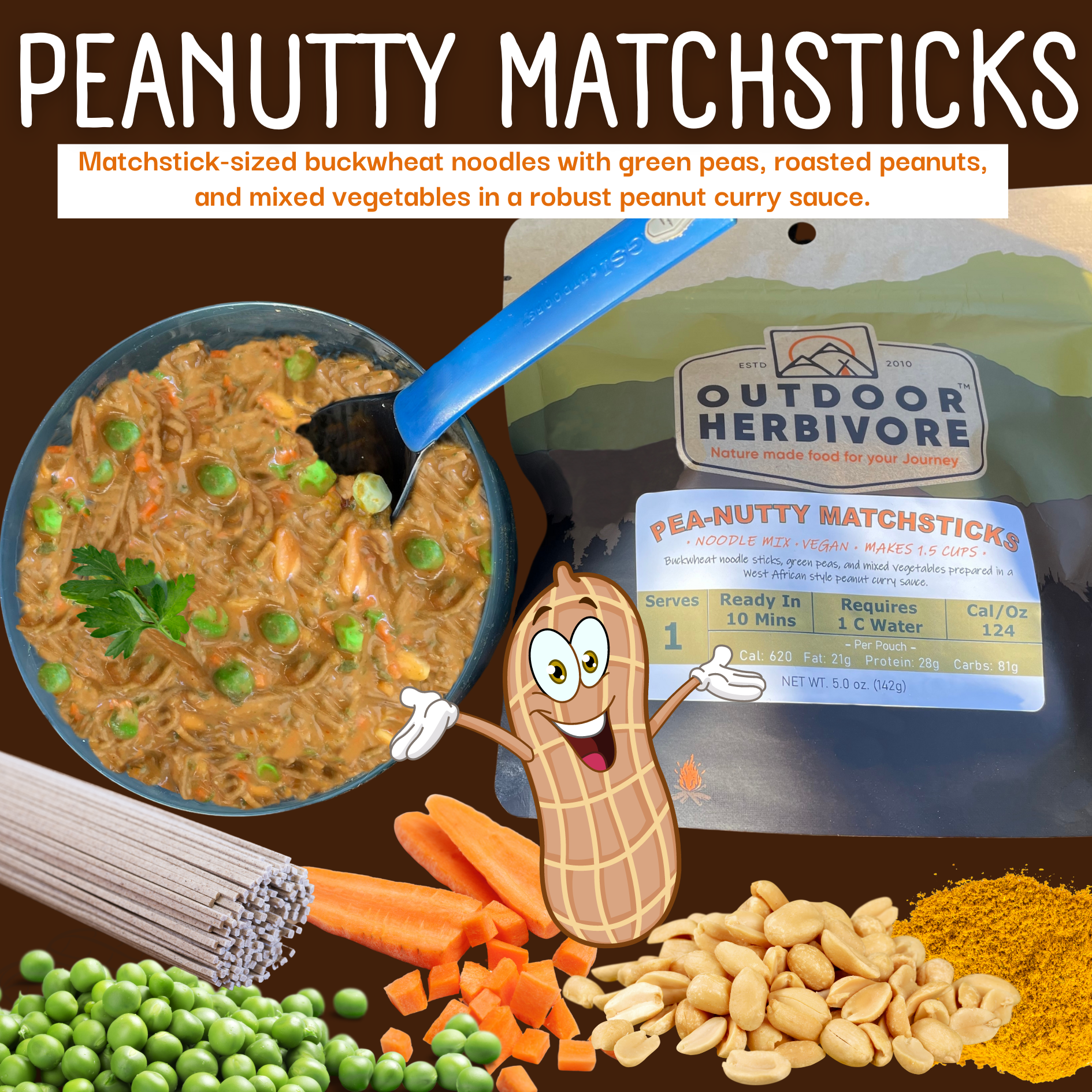

Despite many Americans viewing the turkey as a Thanksgiving centerpiece food, the Turkey should earn more respect than this. In the spirit of the Thanksgiving holiday, we’d like to share a few fascinating facts about the Wild Turkey