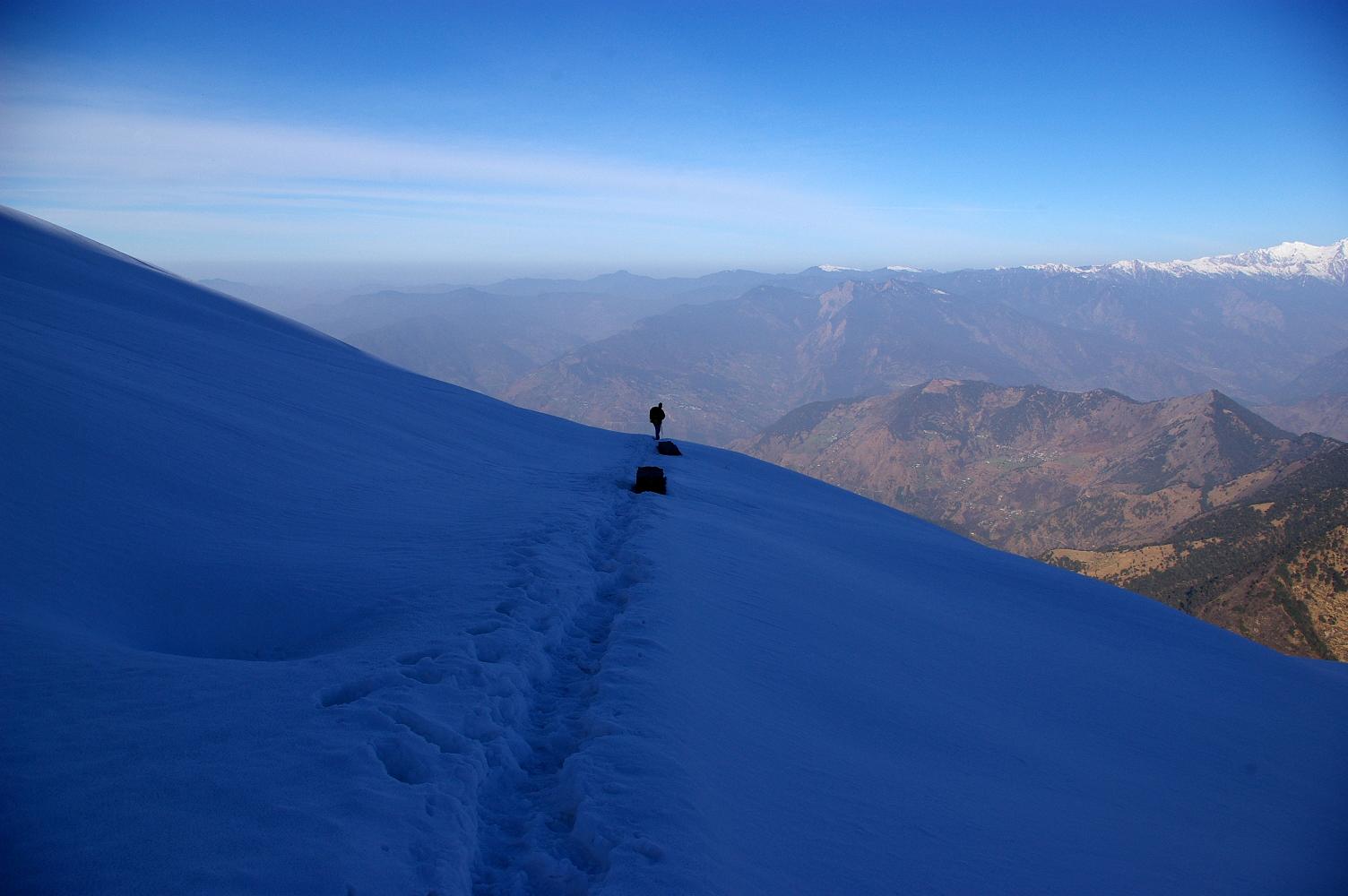
Winter backpacking can require an additional 500 – 1,000 calories per day, an average of 4,500 calories per day for men and 3,500 for women. Start planning the right foods before the start of your winter backpacking trip. Eating nutritionally sound foods will make the difference in your ability to stay warm and energized.
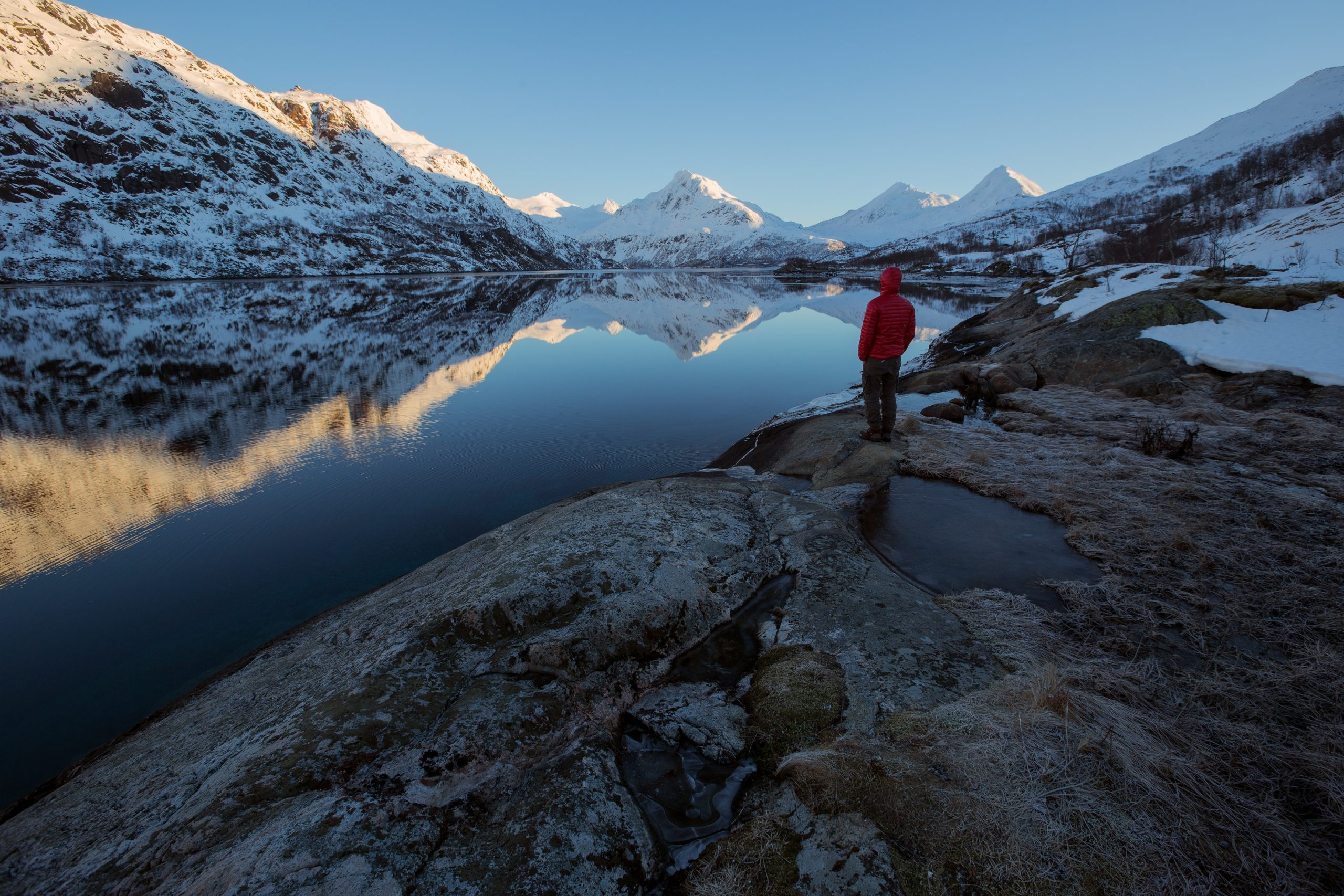
Cold weather means everything takes longer. Anticipate and plan for the extra time needed. Be realistic when it comes to hiking mileage. Stop to rest when hiking. Excessive sweating and non-wicking clothing will make you colder. Protect exposed skin and lips with lip balm (SPF 15 or higher) and sunscreen (SPF 30 or higher). Check EWG for the best-rated sunscreen and lip balms. Drink plenty of water daily, generally 2-3 quarts. You will not realize how dehydrated you are during the winter since the air is drier and sweat evaporates before you know it. Consume your water by eating soups and other […]

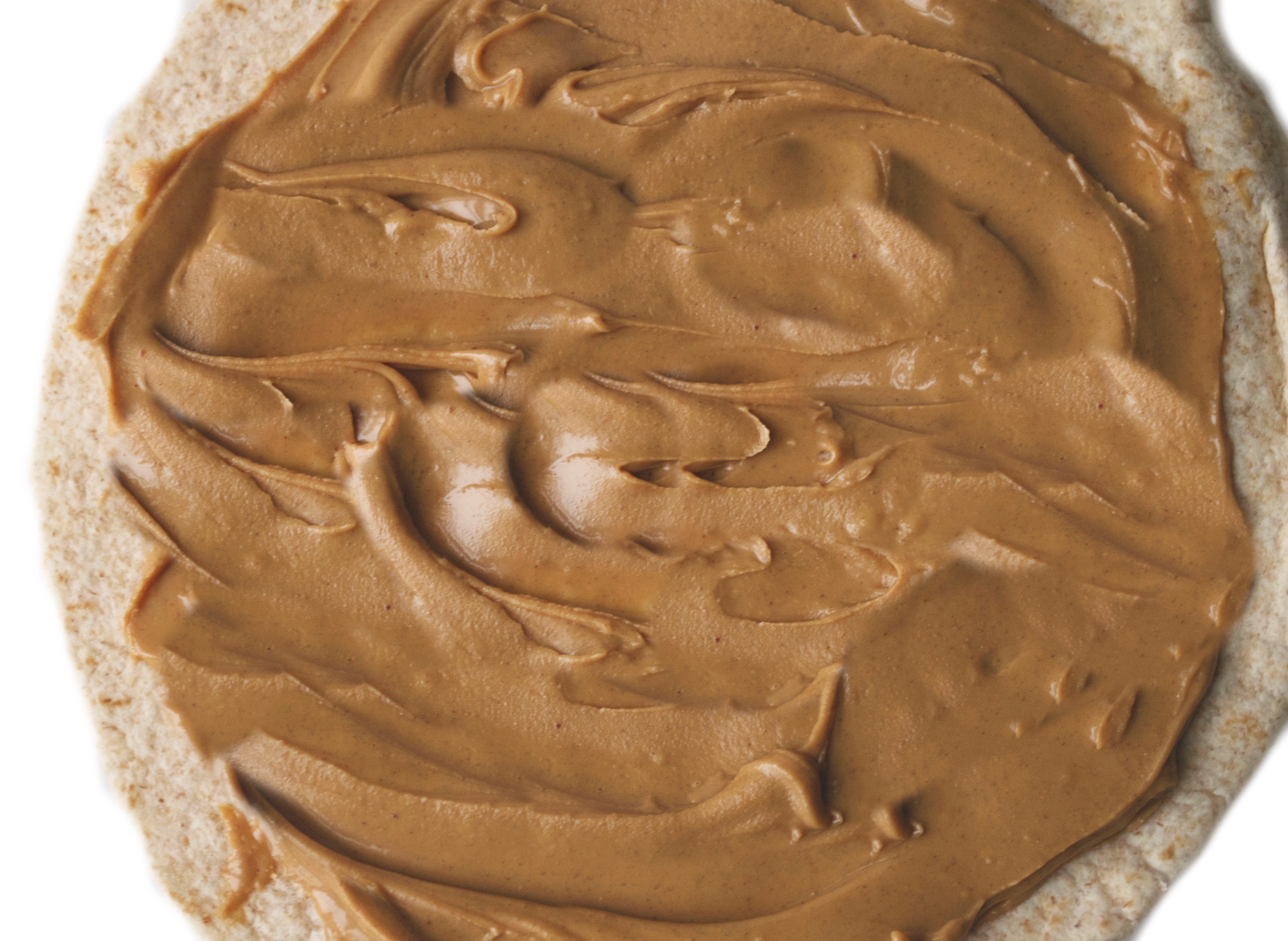
Peanut butter is a convenient and high-calorie snack for backpackers to take on the trail. It is loaded in healthy fat and offers a decent amount of protein. But not all peanut butter is suited for backpacking. Here’s what to look for.
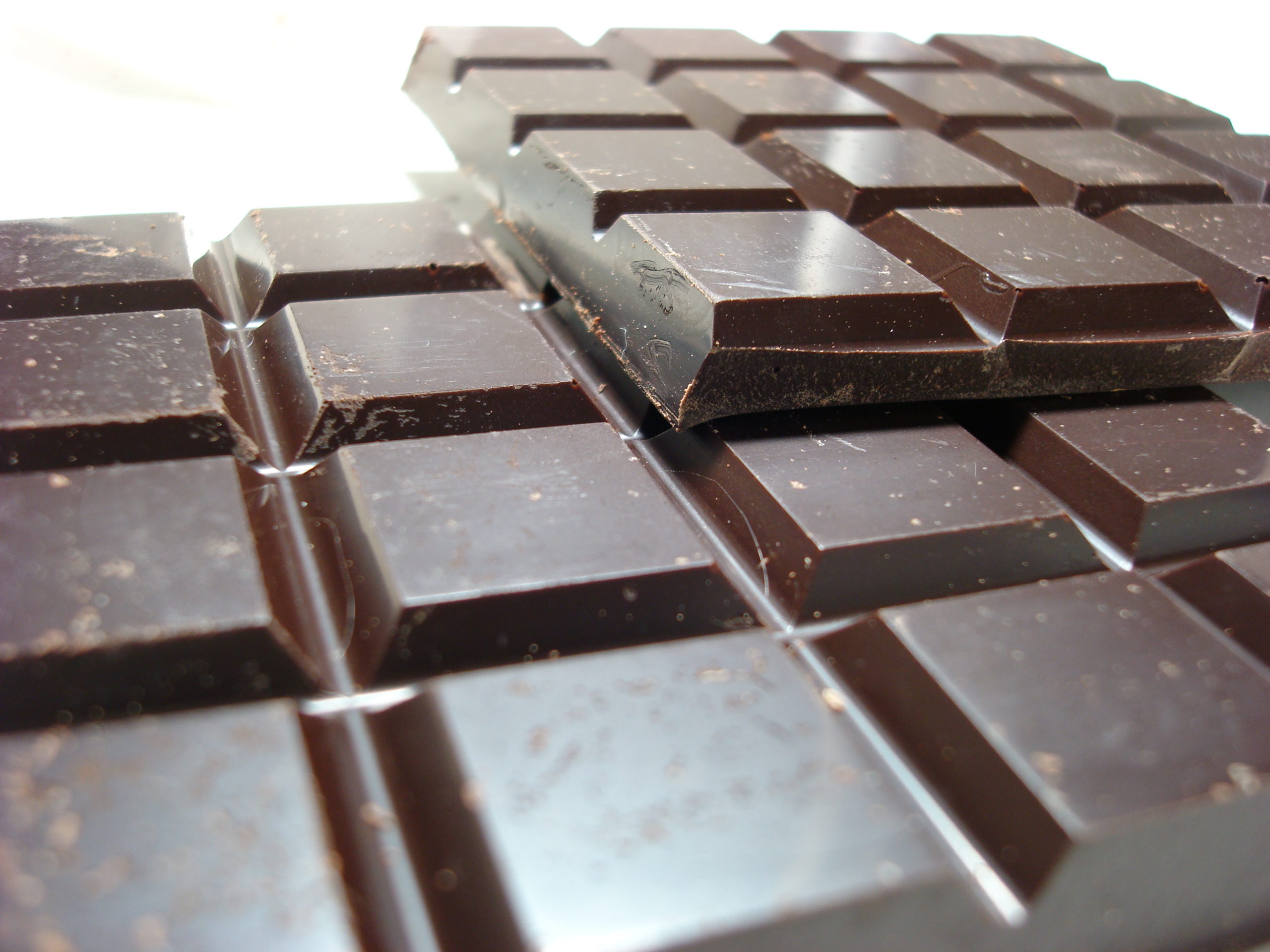
What chocolate best stands up for backpacking? Not all chocolate is created equal. There is the junk food variety of chocolates and the pure, minimal ingredient chocolate sources. There is also white chocolate, which is not chocolate at all. Here we’ll compare the processing and nutritional details of the different types of chocolate.
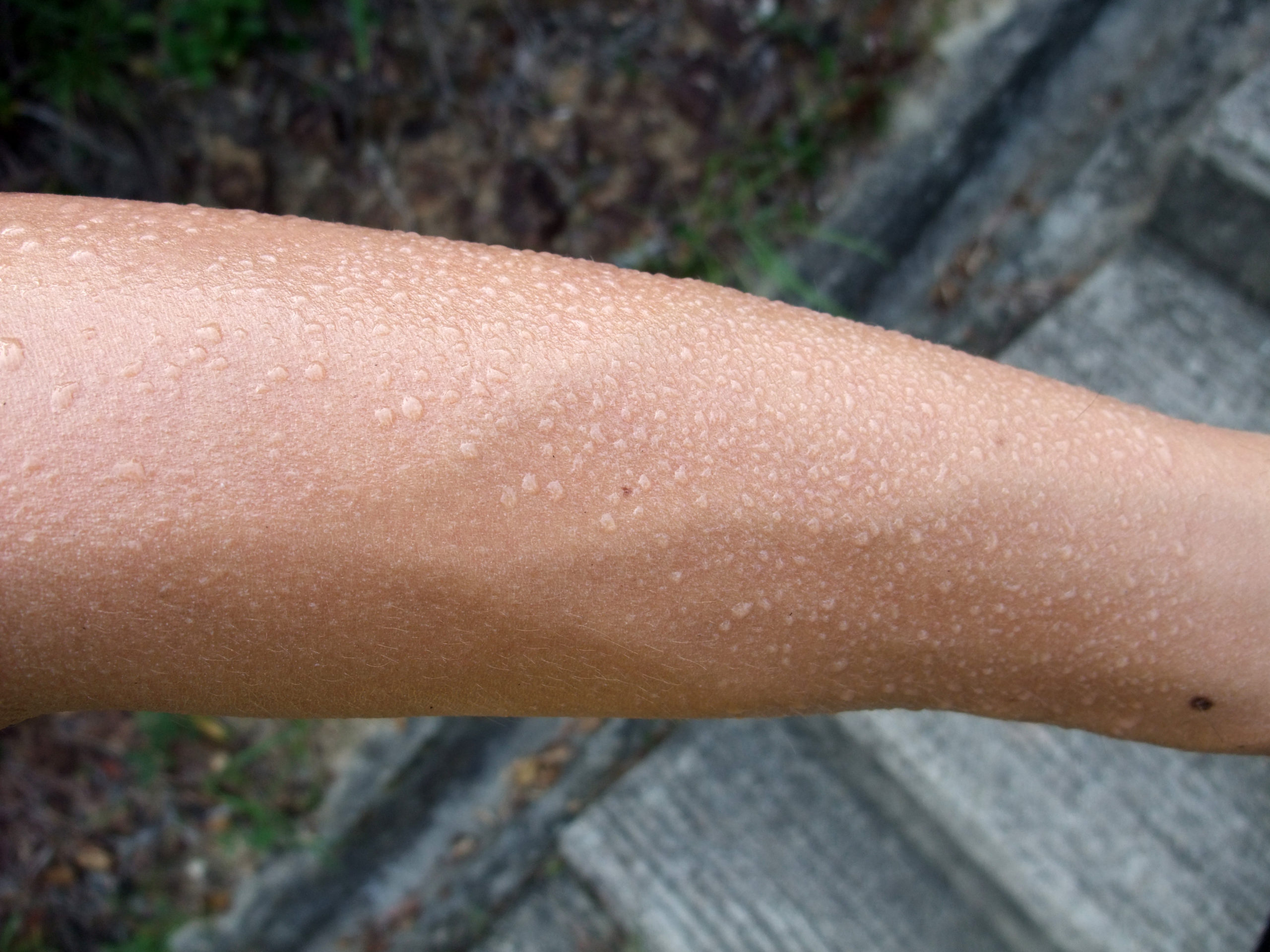
As we enter the summer season in the US Southeast, characterized by high humidity and daily temperatures in the 90s, it’s important to understand how these conditions affect our hydration. Engaging in any outdoor activity in such weather will inevitably lead to significant sweat production, making proper hydration a priority. Sweating is good for us because it is our body’s built-in mechanism to keep us cool, although it does not always feel refreshing. For instance, sweat clings to the skin when the surrounding air is damp and stagnant, and clothing becomes heavy and uncomfortable. When the sweat finally does evaporate, […]