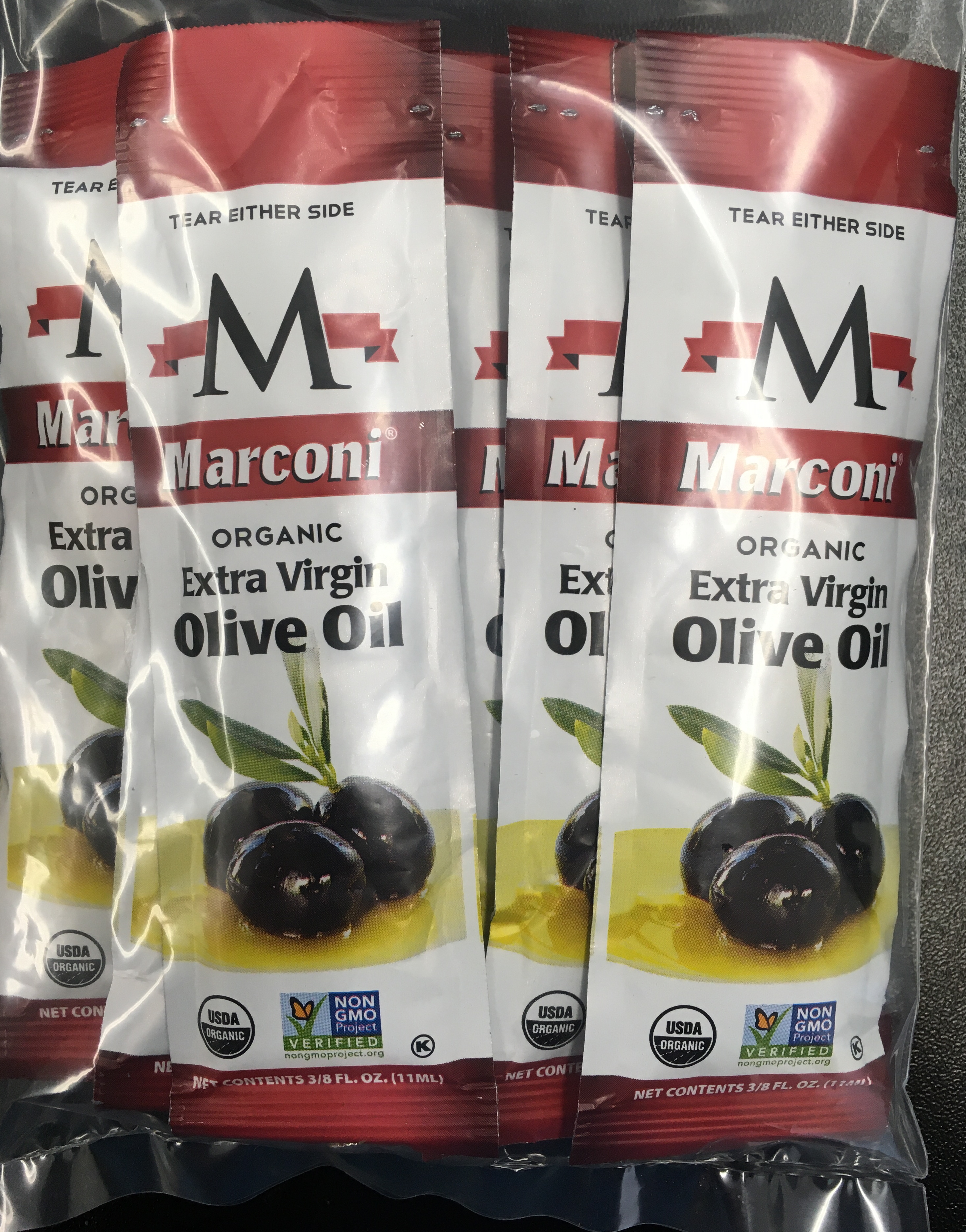
Olive oil is an excellent choice to take when backpacking. Not only is it healthy and contains a high calorie-per-ounce weight ratio (120 calories per tablespoon), but it also has many non-cooking purposes.
It can be used instead of butter to provide additional flavor and calories in foods such as soups, pasta, rice, and bean dips. Adding just a teaspoon of olive oil is all you need to make dried food taste best. Add it before cooking to prevent food (such as powdered eggs) from sticking to the pan. Olive oil also tastes great when dipped with pita or tortilla bread. Add dried garlic, paprika, or chili seasoning to the olive oil to provide a robust flavor to dishes.
High in healthy monounsaturated fats, olive oil is one of the healthiest fats you can consume. It also helps you sustain your endurance longer because it slows the absorption of carbohydrates in your body.
What Else Is Olive Oil Good For?
Besides as a high-calorie source of healthy fat, olive oil has many other uses:
1. Anti-inflammatory. Olive oil contains antioxidants and anti-inflammatory compounds that can help reduce inflammation in the body. This can be especially helpful when backpacking since you may experience sore muscles or joint pain.
2. Soothe a Sunburn and prevent peeling. The polyphenol compounds act as antioxidants to repair skin damage.
3. Cleanse your Skin—dab on the skin to remove dirt and grime and rinse off with a small amount of water.
4. Moisturize the Skin. Add to dry areas instead of lotion. Apply to chapped lips to relieve soreness and dryness.
5. Shave. It acts as a lubricant instead of shaving cream and is an excellent moisturizer.
6. Insect repellent. Lather on the skin to prevent bites from black flies.
7. Laxative. Consume a teaspoon to act as a natural laxative.
8. Snoring. Drink a teaspoon before bed to keep the throat hydrated and lessen snoring (the oil lubricates the throat muscles). Try this next time you or your tent/shelter mate gets accused of being an obnoxious sleeper!
9. Provide Warmth. Consume a teaspoon to warm up quickly in cold weather. The lipids have a warm and soothing effect on the body.
10. Clean Dishes. Add a few drops, then scrub. It’s more eco-friendly than soap.
11. Lubricant for Tools & Zippers. Dab some of the oil on your camping knife to keep the mechanism in tip-top shape. It also keeps stainless steel blades clean. Apply a small amount to the track of a stuck zipper.
12. Lubricant for Skin. Prevent chafing by applying to needed areas of the skin.
13. Soothe Blisters. Use moleskin during the day, then remove it at night and apply it to the blister. In olive oil, vitamin E and polyphenols help expedite healing by repairing damaged skin.
Olive Oil: What to look for
Make sure you get 100% Extra-virgin Olive oil (EVOO) or Virgin Olive oil. You will often find packets labeled as “olive oil” but only contain a small fraction of olive oil. Many are diluted with an inferior oil, such as canola (rapeseed) oil, which is genetically engineered, highly processed, cheaper to produce, and less healthy. Extra virgin olive oil and virgin olive oil is acquired by crushing the olive fruit directly. Cold-pressing is the process of extracting olive oil directly from the olive fruit. Pure olive oil and refined olive oil may contain other oils.
- Purchase Extra-virgin Olive Oil and Virgin Olive Oil. They contain the lowest amount of acids, and no chemical treatment or additives are used in their production, resulting in a superior taste and aroma.
- Avoid “100% Pure Olive oil”, “Olive oil,” “Extra light Olive oil,” or “Refined Olive oil.” They contain high amounts of acids that require chemical treatment to produce an edible taste.
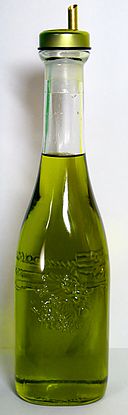
Backpacking with Olive Oil
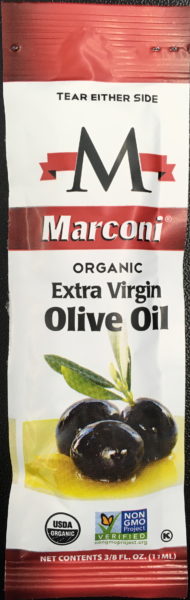 Purchase the single-serve “ketchup-style” foil packets you find in restaurants and stash a few in your food bag. Marconi sells a .375-ounce package, but they are difficult to find. Restaurants do not offer 100% extra virgin olive oil as a free condiment. Outdoor Herbivore sells organic olive oil packets. You may find these from other online sources as well.
Purchase a large container and repackage your olive oil in a small plastic screw-top Nalgene or Lexan-type food-grade travel bottle (even a small water bottle might work). Invariably this method results in the oil leaking — unless you enforce the seal. Improve the sealing capability by wrapping the PTFE plumber’s tape around the bottle’s threads. Wrap the tape once or twice around the thread to make an air and watertight seal. Test the waterproofing capability by adding water and shaking several times. You can purchase thread seal tape (aka white plumber’s tape/Teflon tape) from a hardware store.
Keep the bottle sealed, and do not expose the container directly to the sun. Olive oil will oxidize and eventually become rancid if constantly exposed to light or heat.
Overall, olive oil is a great item to bring on a backpacking trip due to its many benefits. Just be sure to pack it in a leak-proof container to avoid any spills in your backpack.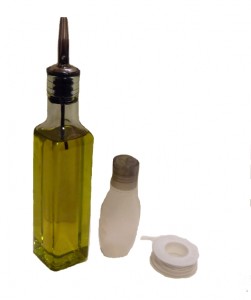
2 thoughts on “13 Surprising Benefits of Backpacking with Olive Oil”
Olive oil also works great to clean off pine sap. I even tried it on and old shirt more than a year after getting a stain. The shirt had already been through multiple washing and drying cycles with the pine sap on it and the olive oil took the dried pine sap out after very little effort.
Marconi Oil also comes in 1,75 fl oz plastic bottles.
And Tim, how did you then get rid of the oil stain?