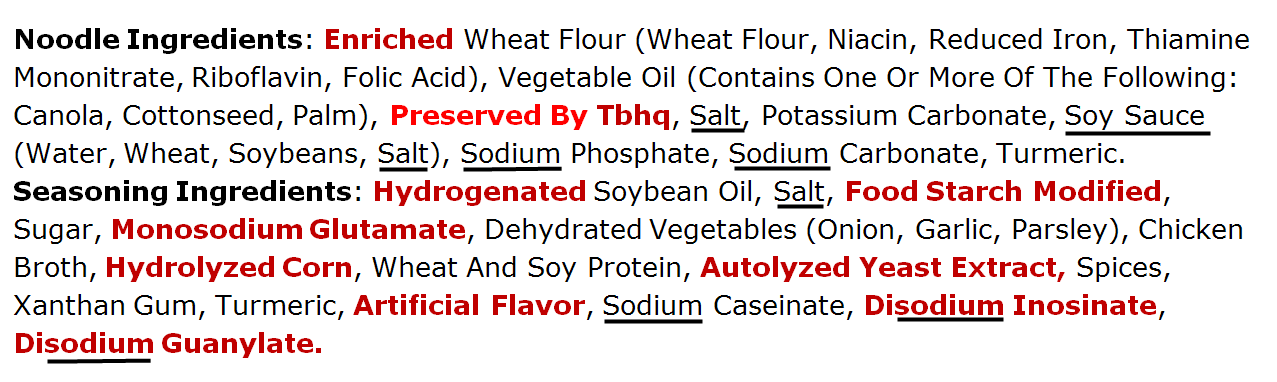
It is a good idea to get into the habit of asking yourself these questions about your backpacking food: Where did it come from? How was it produced? Does it contain genetically engineered ingredients? It it Organic? Conventional? Natural? We’ll explore what some of these terms mean here. The “Natural” phenomena Food manufacturers know consumers will pay a premium for minimally processed, wholegrain products. And to many of us, the word natural implies wholesome earth grown ingredients. Yet, nothing could be further from the truth. Regrettably, many food manufactures stamp the natural label on products containing the most unnatural of […]
Food 301
28 posts
“Fresh” Strawberries in January? I’ll pass. But, a preserved strawberry? As long as it was grown organically and preserved without sulfites, color enhancers, or preservatives. Few people may be that fussy even though these concerns are valid. Choosy eating is not pompous. Following a careful diet requires discipline and knowledge. Patronizing only in-season, locally harvested food is challenging depending on where you live. A January winter might leave you with only squash and carrots as fresh crop choices. This is why preservation, such as freezing and drying are important. The supermarket knows no seasons, as coined in the movie ‘Food, […]
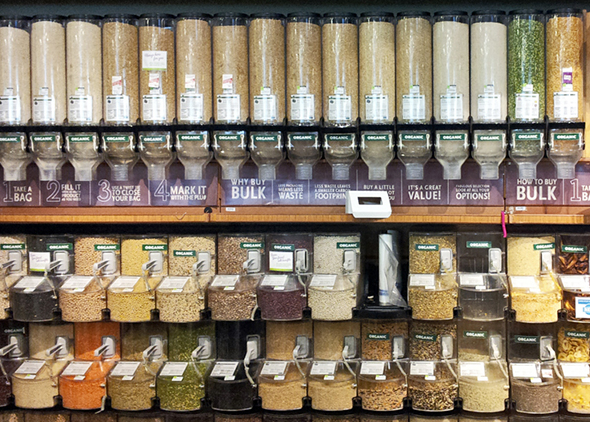
“From the perspective of nutrition, performance, and environmental impact, a vegetarian diet is the sensible choice for the outdoor recreationist. It benefits you and the ecosystem. – Outdoor Herbivore Celebrate the Experience of Food! Outdoor Herbivore believes we should not trivialize what we consume. After all, food can heal our body just as it can destroy it. For centuries, food has been refined to improve taste, environmental resilience, and medicinal properties. Numerous plant varieties were cultivated to allow for a variety of taste preferences and nutrients. Humans came to understand which species were useful in preventing and curing diseases and ailments. […]