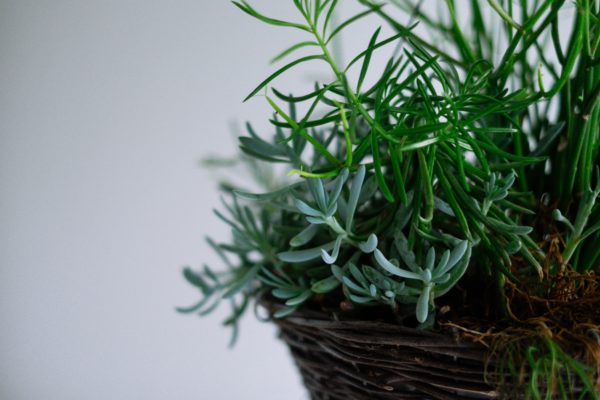
Plants are beneficial. They energize us by creating fresh, clean air, balance indoor humidity, inspire creativity, and provide a soothing environment. It is easy to create an indoor green haven in your office and home by keeping a few common plants around your space.
The Benefits of Keeping Plants at Home and Work
1. Plants Remove Pollution
Common houseplants effectively remove indoor air pollution. All plants clean the air by absorbing carbon dioxide and releasing oxygen through photosynthesis. This process filters the air we breathe by absorbing harmful pollutants, including carbon monoxide, formaldehyde, volatile organic compounds (benzene, trichloroethylene), radon, and pesticides. Certain popular houseplants are especially renowned for their air-purifying abilities. For example, the spider plant, peace lily, snake plant, and pothos are easy to grow and effectively filter toxins from the air. According to NASA research, certain plants can remove as much as 87 percent of indoor air pollutants in a single day.*
2. Plants Improve Health
The air you breathe at work or home may cause you to become sick. Sick Building Syndrome (SBS) is a combination of ailments ranging from allergies, headaches, soreness, fatigue, and cancer caused by breathing poor-quality air. Poor air quality often results from moisture buildup, mold growth, and toxins emitted by furniture, building materials, and cleaners.
Many of the symptoms of SBS can be minimized by regularly changing air filters and keeping plants around. Plants continuously purify the air by absorbing many of these harmful pollutants through their roots and leaves, then transforming them into plant food and oxygen.
3. Plants Connect Us to Nature
Plants help us feel more connected to the natural world when modern life keeps us indoors. Recall that plants absorb carbon dioxide (CO2) and release oxygen (O2), while humans do the opposite — breathe oxygen and exhale carbon dioxide. This symbiotic relationship between flora and fauna demonstrates the significance and connectivity between all forms of life.
How to Grow Clean Air
Outdoor Herbivore recommends keeping these 5 EASY TO GROW plants for improved air quality:
Plant Name:
Spider Plant (Chlorophytum comosum)
Eliminates:
Formaldehyde
Description:
It requires minimal maintenance. Once mature, the plant will grow hanging roots from the stems, which can be pulled off and rooted in a glass of water. Once a root system develops (about 2 weeks), transplant the saplings into potting soil.Locate in a sunny location. Water once a week – or less. Plants can go up to 3 weeks without water in which the leaves will begin to wilt from distress. Just provide a good soaking, and the leaves will perk right back up.
Plant Name:
English Ivy (Hedera helix)
Eliminates:
Benzene, Formaldehyde, Xylene, and Toluene
Description:
This is a trailing plant that grows in abundance here in North Carolina and is considered a nuisance since it chokes out other plants if not pruned. Nonetheless, it is an excellent ornamental indoor plant since it is hardy, requires little watering, grows quickly, and can be pruned to display in a variety of ways.Locate in a shady location with little indirect sunlight.
Image mnemo Wikipedia
Plant Name:
Snake Plant or Mother-in-Law’s Tongue (Sansevieria trifasciata ‘Laurentii’)
Eliminates:
Formaldehyde
Description:
The stiff sword-like leaves grow upright up to 4 feet tall. This is a hardy plant making it an excellent choice for a novice. It requires little sunlight. Keep soil dry. Water every 3 – 4 weeks.
Image UshaJ Wikipedia
Plant Name:
Peace lily (Spathiphyllum’Mauna Loa’)
Eliminates:
Benzene, Formaldehyde, and Trichloroethylene
Description:
Elongated green leaves with white blooms.Locate in an area with little direct sunlight. Water often or grow directly in a jar of water. Like the spider plant, the leaves will droop when it requires water.
Image Mokkie Wikipedia
Plant Name:
Rubber Plant (Ficus elastica)
Eliminates:
Formaldehyde
Description:
A fast-growing plant with oblong, glossy shaped leaves. Keep leaves shiny by wiping off dust with a moistened cloth.Locate in moderate to low light. Water weekly.
To help your plants thrive, keep in mind a few simple care tips:
Most houseplants prefer indirect sunlight and will do well near a bright window, but out of direct sun.
Water your plants when the top inch of soil feels dry. Be careful not to overwater, as soggy soil can harm roots.
Occasionally feed your plants leftover coffee, which adds small amounts of potassium, magnesium, and acidity to the soil. The coffee must be cool, and never used as a full water replacement.
Dust off the leaves every few weeks to help them absorb more light and keep them looking healthy.
Rotate your plants occasionally so all sides get even light and grow evenly.
Open the windows every so often to allow a fresh breeze to stir up the stale indoor air!
With a little attention, your indoor garden will grow lush and happy.
 Plants are beneficial. They energize us by creating fresh, clean air, balance indoor humidity, inspire creativity, and provide a soothing environment. It is easy to create an indoor green haven in your office and home by keeping a few common plants around your space.