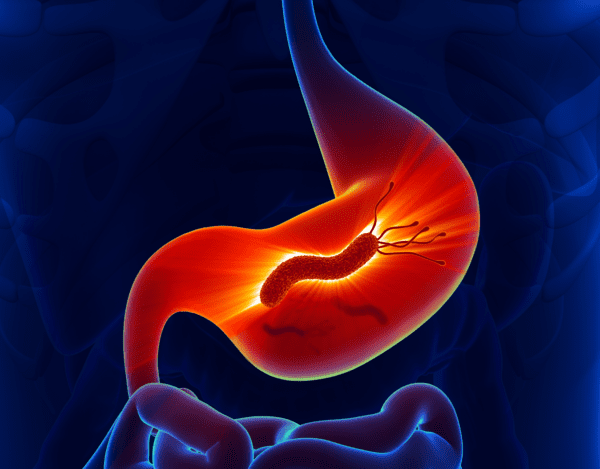
Maintaining digestive health while thru hiking and traveling can be challenging due to changes in your diet, environment, and routine. The microorganisms in your gut continually evolve in response to your environment and the food you eat. Any change to your environment can affect your gut.
The last thing you want is to be slowed down on the trail by a bloated and achy stomach. A diverse microbiome is crucial for overall well-being, yet many travelers find their gut health affected while away from home.
Western travelers are more affected by travel-related factors because their microbiomes tend to be less diverse. Our microbiomes adapt to our environment, and less exposure to pathogens can make us more susceptible to infection. Other places aren’t necessarily dirtier or more pathogenic; instead, our microbiomes didn’t evolve to adapt to those environments. That said, when traveling to new or faraway places, maintaining your microbiome’s stability can be difficult, and infections may occur. But there are things you can do before and during your trip to minimize the effects.
Here are some tips for maintaining a healthier digestive system while backpacking and traveling.
Eat More Probiotic Foods Before Traveling
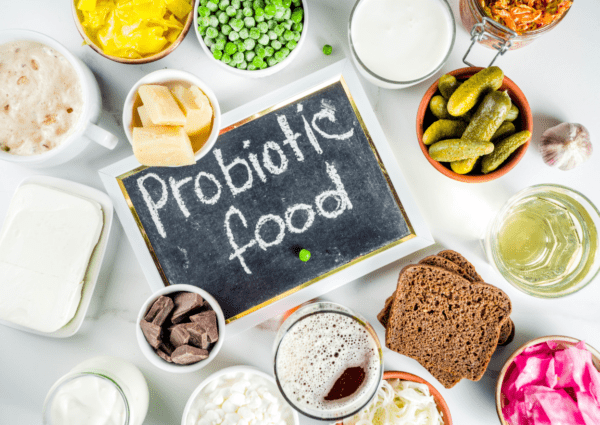
The healthier your daily diet, the better your gut will be when you hit the trail. A healthy gut microbiome plays a crucial role in supporting the immune system, as about 70% of immune cells are located in the gut. To maintain good gut health before traveling, increase your intake of probiotic-rich foods a few weeks prior to your trip. Fermented foods, also known as live-cultured foods, contain active beneficial bacteria, such as Lactobacilli. These include pickled vegetables that are brined in salt, not vinegar. Some examples are sauerkraut, kimchi, and green olives. Other options include fermented soy products like tempeh, miso, and natto, as well as unsweetened yogurt, sourdough bread, and probiotic drinks such as kefir, beet kvass, and kombucha.
- Typically, foods made with or containing live, active cultures need to be refrigerated and are not shelf-stable. While freeze-drying may preserve some beneficial bacteria, most shelf-stable foods lack these microbes because processes like baking, frying, pasteurizing, dehydrating, and sun-drying destroy them.
- It’s important to note that vegetables pickled in vinegar do not contain probiotics. Instead, choose vegetables fermented with salt and lactic acid bacteria. Common choices include pickles, pickled beets, and pickled carrots.
Eat Fiber-Rich, Low Sugar Foods While Traveling
To maintain your gut health and microbiome while backpacking or traveling, include plenty of fiber-rich vegetarian meals that contain whole grains, fruits, and vegetables. These foods support digestive health by feeding the beneficial gut bacteria that you’ve established.
- To check if a meal is high in fiber, look at the Nutrition Facts panel on packaged foods; a food is considered high in fiber if it contains 5 grams or more of fiber per serving. Additionally, aim for meals that include whole grains, legumes, fruits, vegetables, nuts, and seeds, as these are typically rich in fiber. For backpackers, Outdoor Herbivore has many high-fiber products.
- Reduce your intake of added sugars. Research shows that a diet low in added sugars can significantly benefit your immune system. High blood sugar levels can disrupt your immune response by causing the excessive production of pro-inflammatory cytokines, making your body more susceptible to infections. One of the most immediate effects of consuming sugar is on white blood cells, particularly neutrophils, which are the body’s first responders to infections. A study published in the American Journal of Clinical Nutrition discovered that consuming 100 grams of sugar (approximately the amount found in one 8-oz bag of Haribo Goldbears) reduced neutrophil activity by up to 50% for several hours. This means that right after eating a high-sugar snack or meal, your body is temporarily less able to fight off harmful bacteria or viruses.[1]
- Eat plenty of anti-inflammatory foods with immune-boosting substances.
Stay Hydrated
Drink plenty of water to help digestion and prevent dehydration, which can lead to constipation and other digestive issues. Always treat the backcountry water you collect, no matter how pristine you think it is. Contaminated water can rapidly disrupt the gut.
Eat Hot Foods
Foods served at temperatures above 140°F are typically cooked to a level that kills most harmful bacteria and viruses, including Salmonella and E. coli. Bacteria thrive in what is known as the “danger zone,” which ranges from 40°F (4°C) to 140°F (60°C). Cold-soaked foods can be particularly risky since boiling water can eliminate not only the germs in your water but also any pathogens that may transfer during improper handling of food or utensils, such as dirty fingers. Hot foods generally have fewer chances for cross-contamination, as they are often served and consumed quickly.
Eat Regularly
Try to stick to your usual eating schedule to help your body maintain its routine. Don’t eat in a hurry; improper chewing and fast eating can cause air to be swallowed, leading to bloating, hiccups, and impaired digestion. Take the time to enjoy your food, chew slowly, and savor each bite.
Get Good Sleep
Sleep plays a crucial role in maintaining a healthy immune system. During sleep, your body produces proteins called cytokines, which are essential for fighting infections and inflammation. Our bodies also produce T-cells during sleep, which are white blood cells that play a critical role in the body’s immune response to infectious disease.
If you get sick
Traveler’s diarrhea is the most common travel-related illness. Most cases resolve on their own within a few days. However, see a doctor if you experience bloody diarrhea, severe abdominal pain, a fever, or if your diarrhea lasts longer than one or two weeks. Otherwise, you can follow these steps to aid your recovery:
- Replace lost fluids. Avoid dehydration by drinking bottled water and drinks that contain electrolytes.
- Use over-the-counter products. Digestion relief medication that contains the active ingredients loperamide (Imodium) or bismuth subsalicylate (Pepto-Bismol, Kaopectate) helps reduce the frequency of loose, watery stools and ease cramping. Take as directed.
- Eat bland and easy-to-digest foods, such as applesauce, rice, broth, cooked cereals, crackers, potatoes, and bread.

Using these strategies will support your gut health and immune system, allowing you to focus on new experiences during your travels.