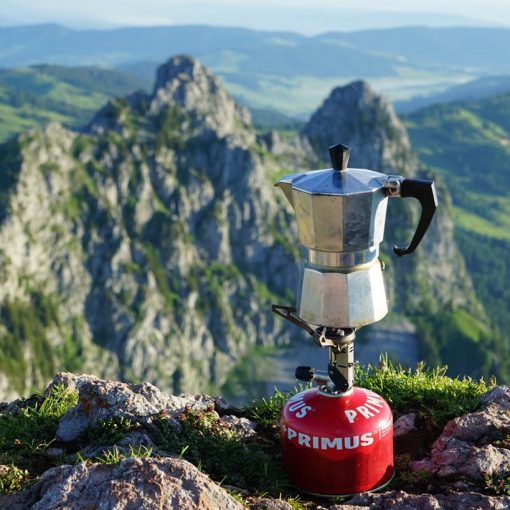
Chances are, you live in a lower-elevation part of the country and pay no attention to cooking instructions meant for high altitudes. But one day, you may find yourself hiking more than 8,000 feet above sea level in the Sierras or Rockies and wonder why your rehydrated pasta meal came out crunchy or your rice curry watery. When cooking at higher elevations, backpacking meals require a few key adjustments because high altitudes affect food preparation in two ways: Water and other liquids evaporate faster. Water boils at lower temperatures. Here are some practical tips for successful high-altitude cooking: Allow […]
Altitude
2 posts


The air is thinner at higher altitudes because the atmospheric pressure is lower. Your body will initially have difficulty getting the oxygen it needs, and your performance will suffer. This lack of oxygen can prevent unacclimated hikers from losing up to 50% of their regular physical efficiency at altitudes over 6,000 feet. Hiking at 8,000 feet (2,500 meters) or higher may cause altitude sickness. Symptoms of altitude sickness include a throbbing headache, fatigue, nausea, loss of appetite, weakness, dizziness, and an inability to sleep. Undoubtedly, it is difficult to appreciate the incredible high-altitude scenery when feeling miserable. Here are some […]