Prevent Motion Sickness When Traveling: a “handy” remedy
Feeling Queasy
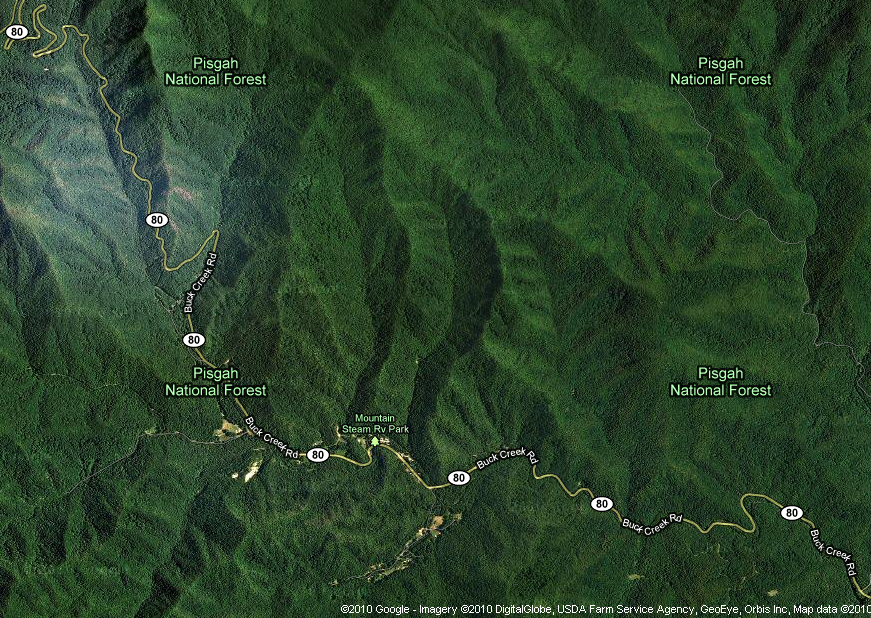
Are you planning an adventure that requires traveling along twisty roads? On our last trip, we tackled North Carolina Rt 80, a mountain road snaking through the Black Mountain region. This hidden gem near the iconic Blue Ridge Parkway offers jaw-dropping scenery, but as a passenger I suffer from terrible nausea. I was too busy fighting off waves of nausea to enjoy any of it. All I wanted was to escape that endless rollercoaster! That miserable ride got me wondering about natural remedies for motion sickness and what causes it in the first place.
The twisty Saint Gotthard Pass In the Lepontine Alps (Switzerland) motorradbande.de/Paesse/Bilder/impress3.jpg
Riding Twisties
Amusingly, the very roads I dread by car are the ones I most seek by motorcycle. Twisty routes become thrilling playgrounds on two wheels, but in a car, they turn into a queasy ordeal unless I’m behind the wheel. Of course, you can’t always be the driver, especially when traveling abroad or with a group.
What is Motion Sickness?
Motion sickness refers to an inability to adjust to movement, causing an uneasy feeling characterized by nausea/vomiting, dizziness, sweating, and headache. Motion sickness can occur from any method of travel – car, motorcycle, plane, boat, train – and can be a real nuisance if you are not prepared for it.
NC 80 – not a straight route. Great for drivers, not so much as a passenger.
Cold sweats, stomach rolls, dizziness…
I tried every trick in the book: staring intently at the road, pretending I was the one steering through each curve. No luck. I stuck my head out the window, letting the crisp mountain air whip my face, but my stomach kept doing somersaults. Blasting my face with cold air from the vent? Still spinning. I sat up straight, eyes locked on a distant landmark, but the winding switchbacks kept stealing my focus. Desperate, I curled up with my head on my knees and closed my eyes—big mistake! In the end, I just stared at the road, willing my mind to ignore the misery. Then I remembered something about an acupuncture point on the wrist that could help with nausea. Trouble was, I had no idea where it was. I poked around my wrist, hoping for a miracle. To my surprise, I started to feel better. Out of all my attempts, pressing on my wrist was the only thing that actually helped. When I got home, I decided to dig deeper—here’s what I discovered:
Acupressure P6 to Relieve Motion Sickness
Applying pressure to the acupuncture point, Pericardium 6 (P6), is believed to help relieve nausea associated with motion sickness.
Location of P6
Find the spot located on the inside of the wrist, about 2” (the width of 2-3 fingers) up the arm from the center of the crease of the wrist (between the two tendons).
Press this point firmly using the thumb or index finger of your opposite hand.
Massage this point firmly for at least 20-30 seconds.
Why does this work?
Acupressure and acupuncture utilize pressure to stimulate the nerves and redirect energy flow within the body. Acupuncture uses needles to puncture the skin, while Acupressure uses the pressure of your fingers to achieve a similar result. These practices have been used successfully for centuries in Eastern Asia. We don’t know why it works since there’s no scientific method to measure energy flow.
Tips for Preventing Motion Sickness
Drive the vehicle yourself (the brain can better adapt to motion when you are in control).
If you can’t drive, sit in the front seat with a relaxed posture, and look through the windshield at the road ahead.
Don’t read during travel.
Open the windows or turn the air vents toward your face.
Ginger is well-known for its anti-nausea properties. You can chew on ginger root, consume ginger tea, ginger ale, or even ginger candies before or during traveling to ease motion sickness.
Peppermint essential oil, peppermint tea, or peppermint candies can soothe an upset stomach.
Not a fan of Big Pharma? These three homeopathic remedies are effective for motion sickness:
Nux Vomica – recommended for nausea and vomiting due to motion, especially if your sensitive to odors.
Cocculus Indicus – recommended for dizziness and nausea from motion, especially if you experience fatigue.
Tabacum – recommended for nausea from motion, especially if you experience cold sweating.
View Comments
3" or the width of 2 fingers! Are your fingers one and a half inches wide? Do you mean 3 cm instead?
thanks.
This is handy , Thanks for taking your time to write this.