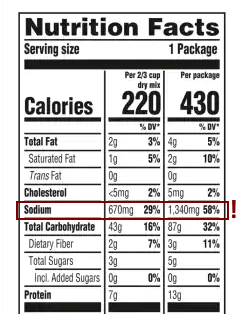
A common question we get from backpackers is, “What backpacking meals do you have that are low in sodium?” Low sodium is a regulated term for food containing 140 mg of sodium or less per serving. Most packaged food will not meet this definition because salt functions as a natural preservative and drying agent. Fresh food and water-packed meals are your best bet for finding low sodium food. Beyond that, dried single ingredients, especially freeze-dried fruits and vegetables, are more likely to be low in sodium than dried packaged meals. A small amount of sodium is found naturally in many plant foods, although most get added […]
Meal Planning
36 posts
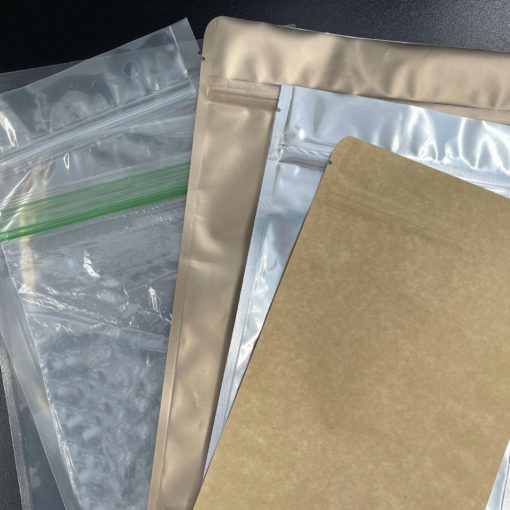
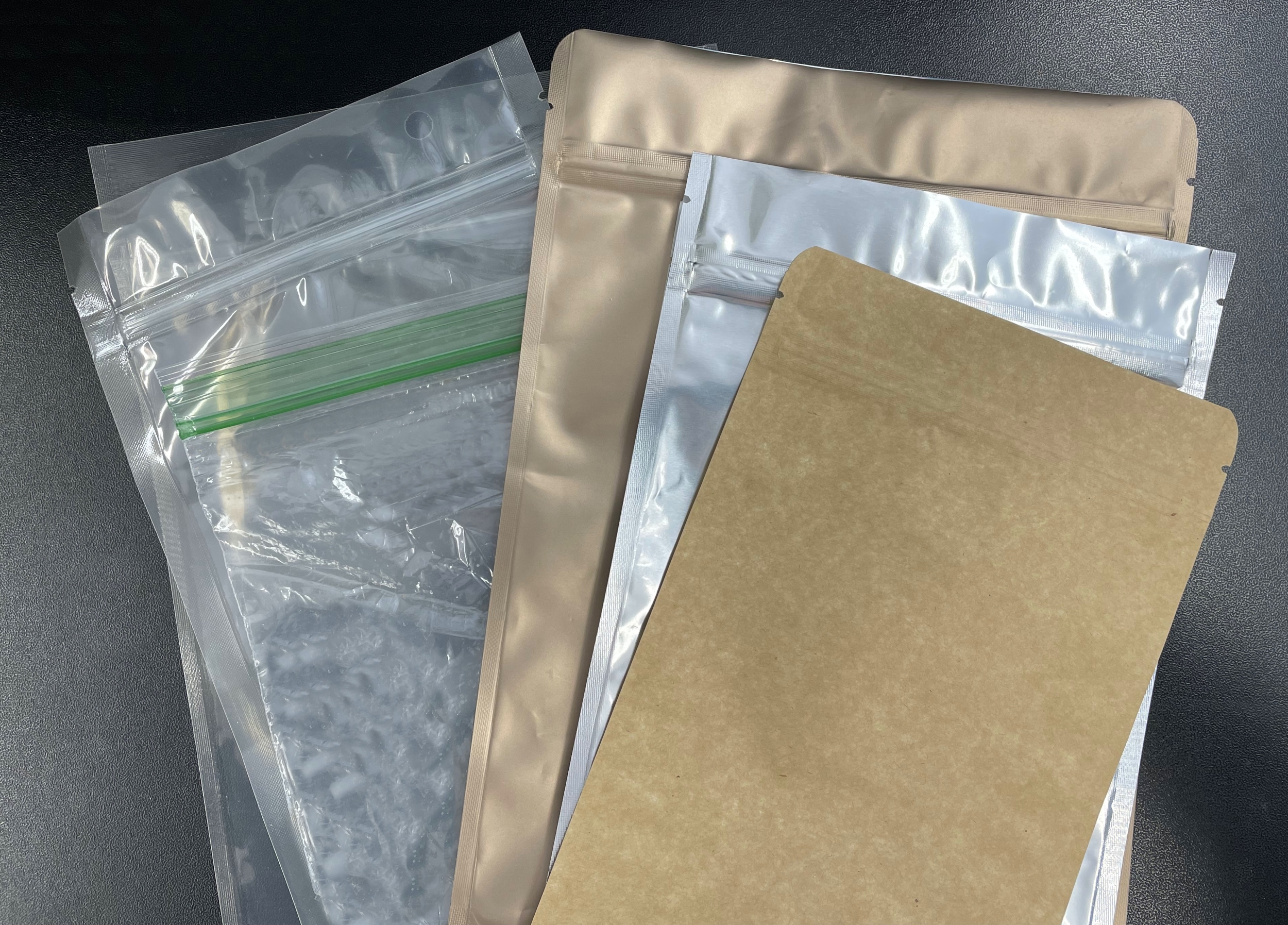
The main job of a food storage bag is to prevent moisture and air from permeating the contents inside. Standard household freezer bags are readily available and inexpensive, making them appealing for storing homemade dry foods or repacking commercial backpacking food to reduce space. Storing dry food long-term in non-barrier packaging like plastic freezer bags will allow oxygen and moisture from the surrounding air to absorb into the food, where bacterial contamination and growth can occur. Eventually, the food will become soggy and mold. If this happens, the food will be unsafe to eat. Freezer bags will work okay for […]
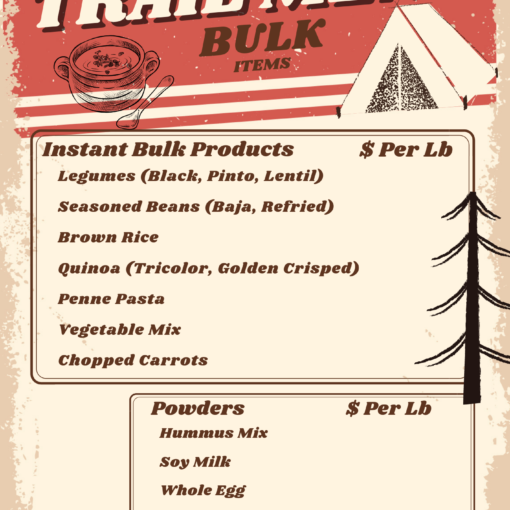
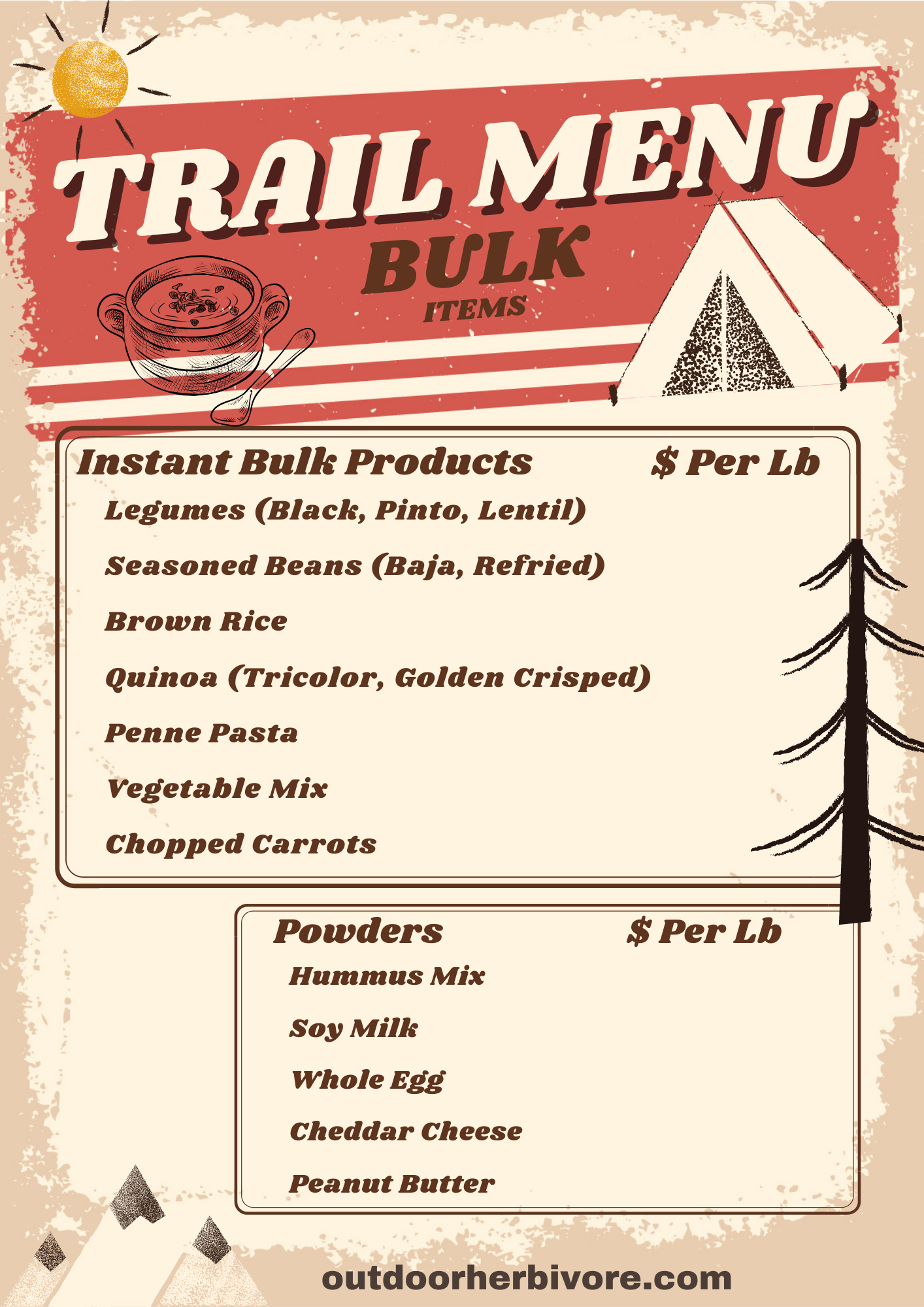
Are you looking to create delicious, lightweight, and nutritious meals for your next backpacking trip? By making your own backpacking food, you can customize it to suit your taste and dietary needs while controlling portion sizes, spice levels, and sodium content. To achieve this, you’ll need to dehydrate or freeze-dry your meals to remove the water content, making them lightweight and shelf-stable. Don’t have drying equipment? You don’t necessarily need to cook and dehydrate or freeze-dry all your food at home. Purchasing pre-cooked and dried bulk ingredients can save you time and money on long hikes. Simply portion out the […]
[updated for 2026] JMT Highlights Distance: 211 Miles Average Days on Trail: 20 Days Point to Point: Yosemite Valley to Mount Whitney Typical Direction: North to South, starting at Yosemite and ending at Mount Whitney Summit. Highest Point: Mount Whitney – 14,505′ (4,421 meters) The John Muir Trail (JMT) is located in the Sierra Nevada mountain range of California, spanning 211 miles from Yosemite Valley to Mt Whitney, plus 11 more miles to Whitney Portal. Most of the JMT is shared with the longer Pacific Crest Trail. Except for a few miles, the JMT stays above 8,000 feet (2,400 […]
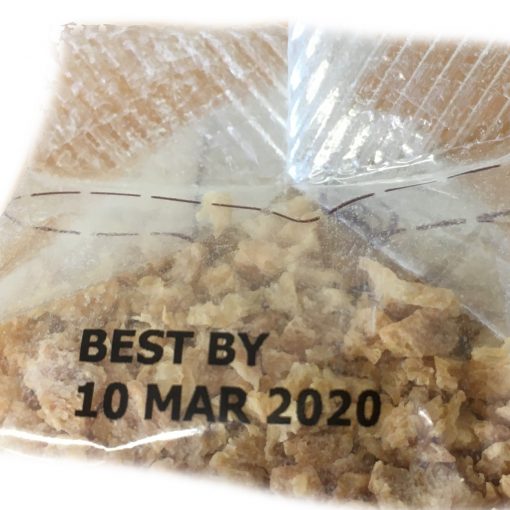
As the temperatures warm up and backpackers begin sorting and reorganizing gear, they often find a few expired meals or trail snacks. Consequently, this is the time of year we get asked if it is safe to consume expired backpacking food. Most likely you can! Make sure you have left the packaging intact and kept the food stored properly. Right before your trip, open up the seal and take a whiff. Does it smell or look funky? Here are a few tips to keep in mind.