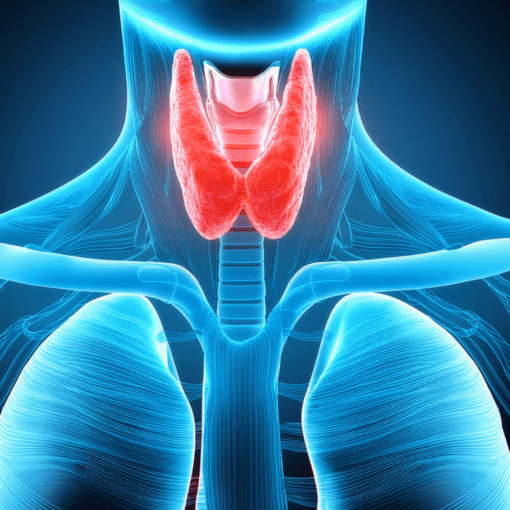
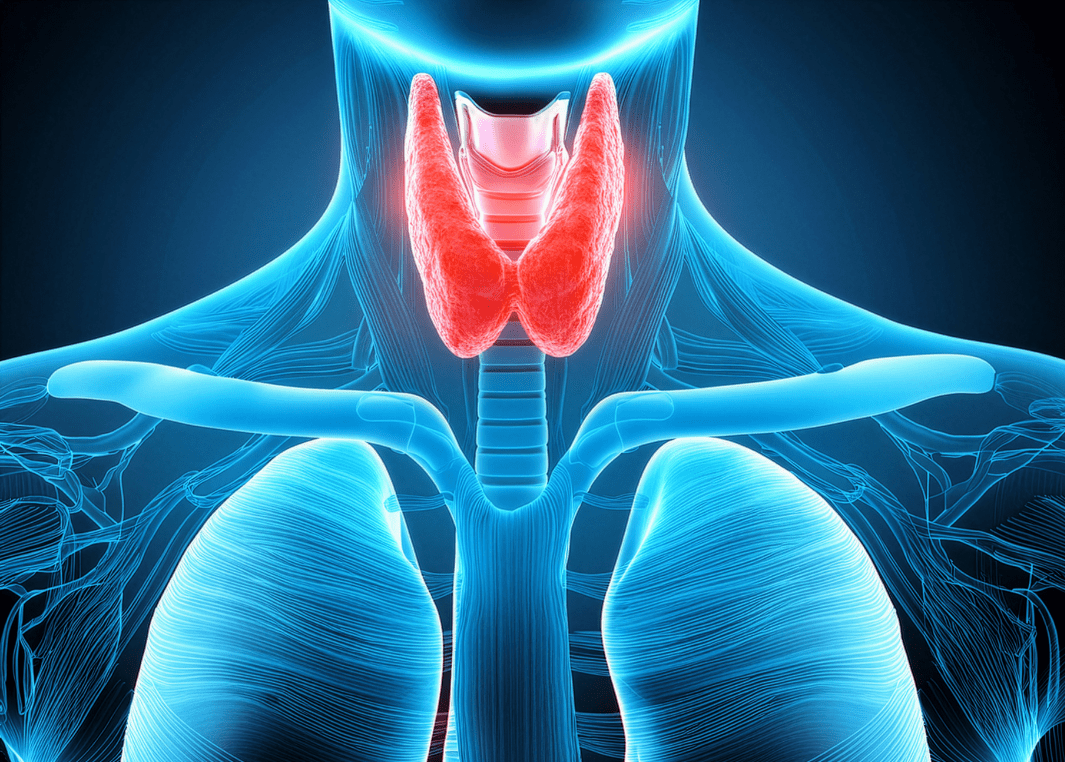
Backpacking fatigue is usually blamed on a heavy pack, steep inclines, insufficient training, or a poor trail diet. However, a connection almost no one thinks about is iodine deficiency. Iodine deficiency affects your thyroid, which dictates how effectively your body uses energy during hill climbs and exertion. Your metabolic “engine” relies heavily on iodine to keep your legs moving forward. When most people think of iodine, they think of salt. However, salty foods do not mean they contain iodine. Backpacking meals — even those high in sodium, including processed food and snacks—do not supply iodine. And hikers making their own trail food […]
Health Issues
19 posts
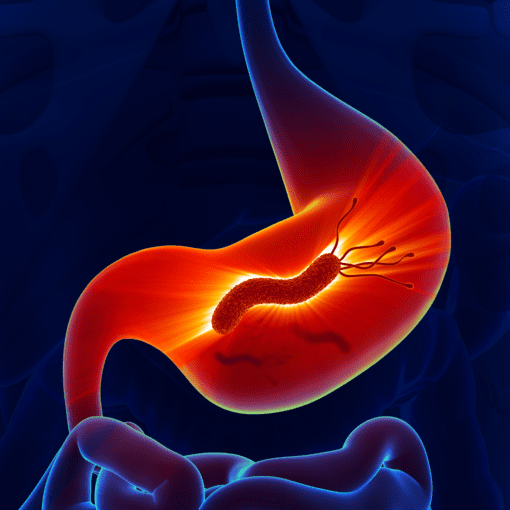
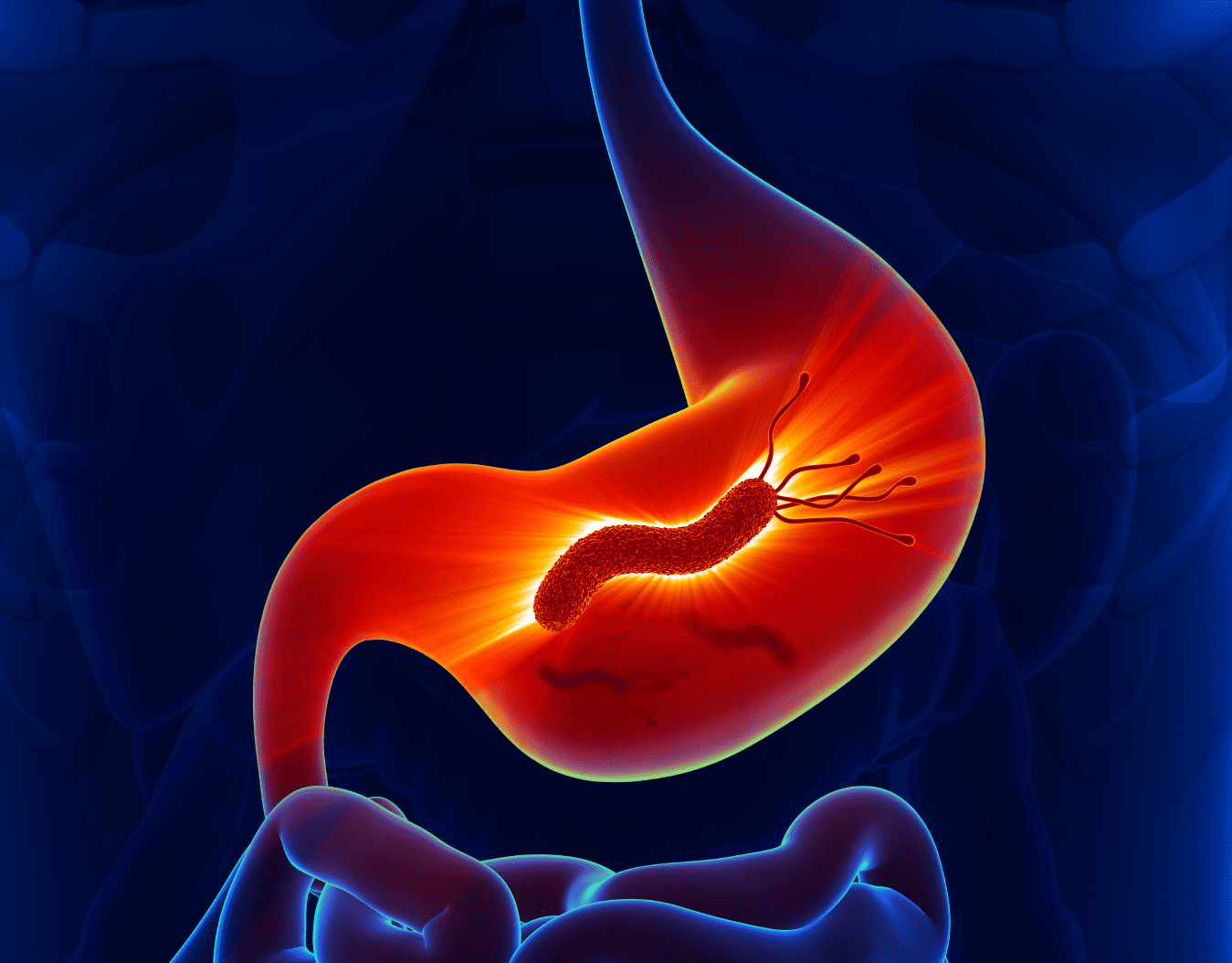
Maintaining digestive health while thru hiking and traveling can be challenging due to changes in your diet, environment, and routine. The microorganisms in your gut continually evolve in response to your environment and the food you eat. Any change to your environment can affect your gut. The last thing you want is to be slowed down on the trail by a bloated and achy stomach. A diverse microbiome is crucial for overall well-being, yet many travelers find their gut health affected while away from home. Western travelers are more affected by travel-related factors because their microbiomes tend to be less […]
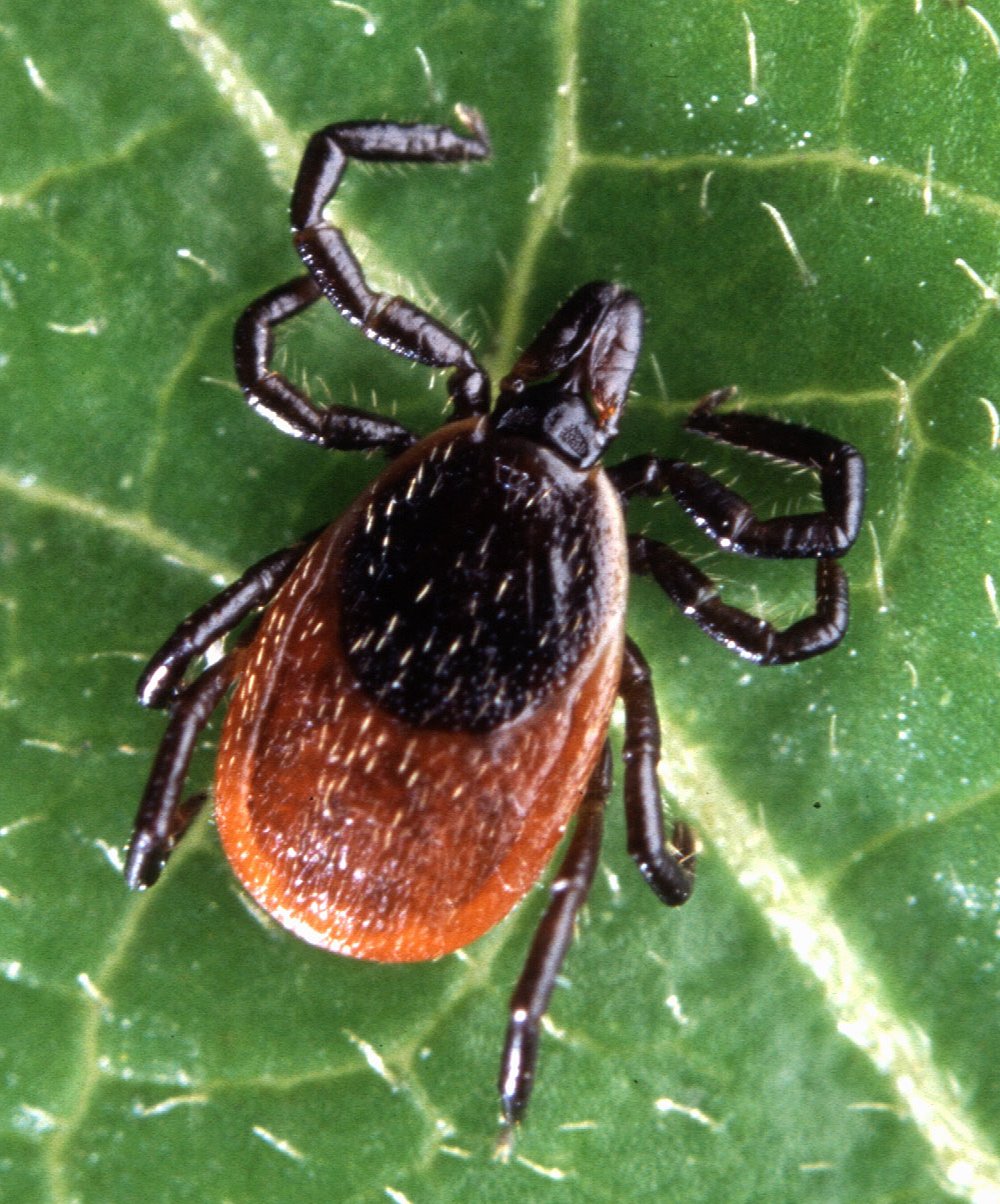
Although biting insects are annoying, most do not pose a threat to humans or animals. The exceptions are the blood-feeding pests that can vector pathogenic diseases, such as mosquitoes and ticks. In the United States, the Blacklegged tick (Ixodes scapularis), commonly known as the deer tick, can spread the Lyme disease bacterium, Borrelia burgdorferi. In Europe, the related Castor bean tick, also known as the sheep tick, and the Taiga tick in Asia are associated with the same disease. Scientists predict the warming climate will cause an increase in reported cases of tick-borne illnesses in many regions. This is mostly […]
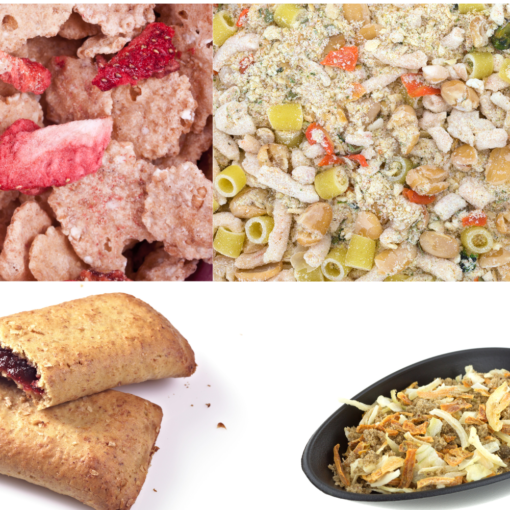
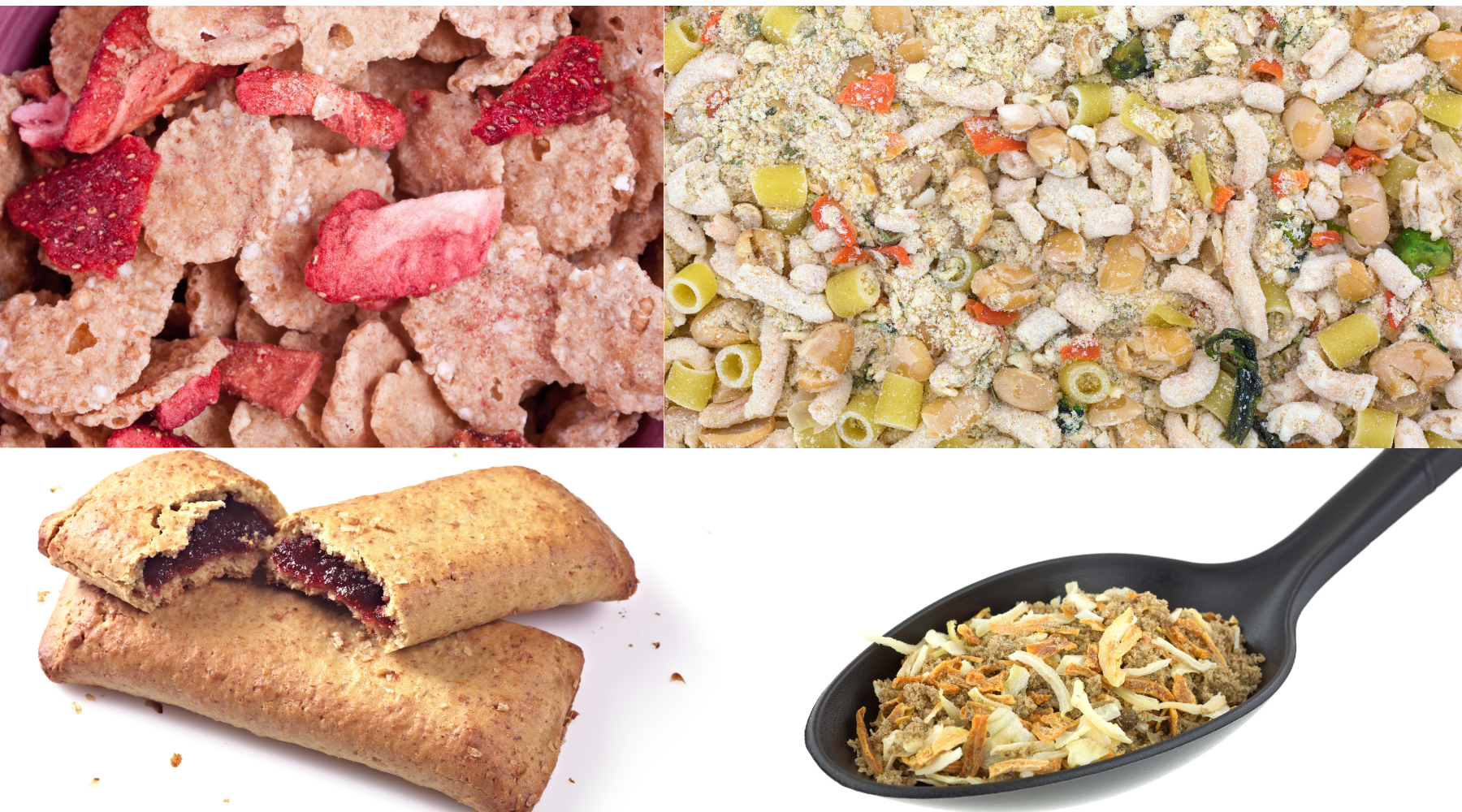
Food additives are commonly used to prevent or slow spoilage during storage, preserve vitamin content, or alter food’s appearance, taste, and texture. Food coloring is a type of additive that is functionally unnecessary — its sole purpose is to make food appear more colorful. Unsurprisingly, food dye is common in mass-produced packaged foods that you might be tempted to take backpacking. Common “backpacking” foods containing food dye include packaged food containing dried fruit and vegetables, cheese mix, butter powder, and gelatin. This includes – Pasta dishes Rice dishes Soup mix Trail mix Granola bars & Pop tarts Cheese-flavored chips and […]
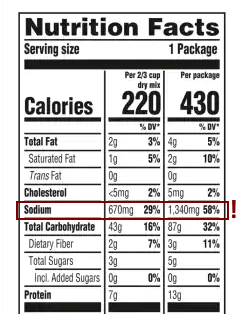
A common question we get from backpackers is, “What backpacking meals do you have that are low in sodium?” Low sodium is a regulated term for food containing 140 mg of sodium or less per serving. Most packaged food will not meet this definition because salt functions as a natural preservative and drying agent. Fresh food and water-packed meals are your best bet for finding low sodium food. Beyond that, dried single ingredients, especially freeze-dried fruits and vegetables, are more likely to be low in sodium than dried packaged meals. A small amount of sodium is found naturally in many plant foods, although most get added […]