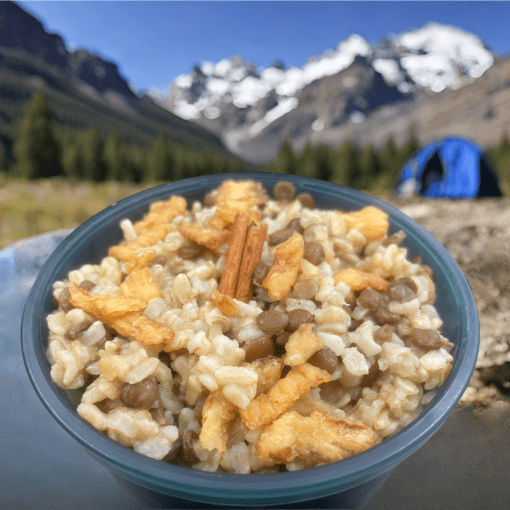
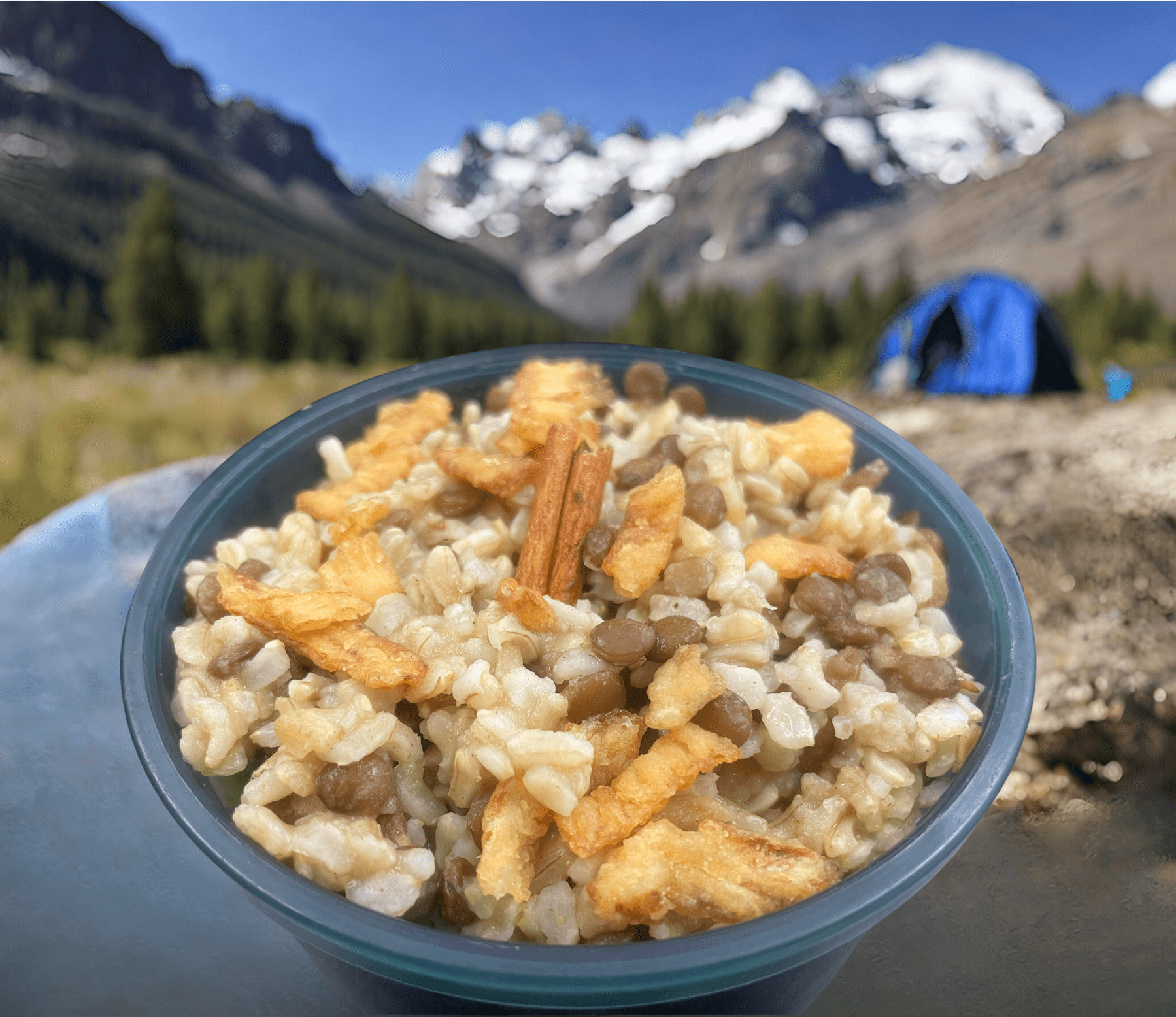
Inexpensive and filling, lentils are often a forgotten food. That needs to change! Lentils are an excellent source of energy and protein and can be easily incorporated into trail recipes. Find out how lentils can help you boost your energy and find some easy ways to use them in backpacking meals. LLentils are the edible seeds of legumes, which fall under the category of pulses, alongside beans, field peas, and chickpeas. Like other legumes, lentils have a low glycemic index (GI), which helps slow the rate at which energy is released into the bloodstream. Their high fiber content not only […]
Dietary
45 posts
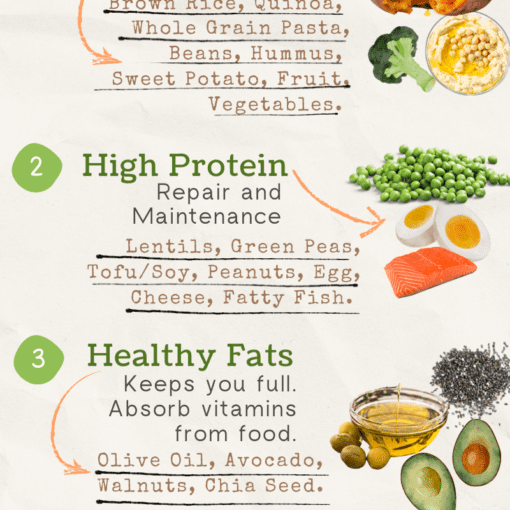
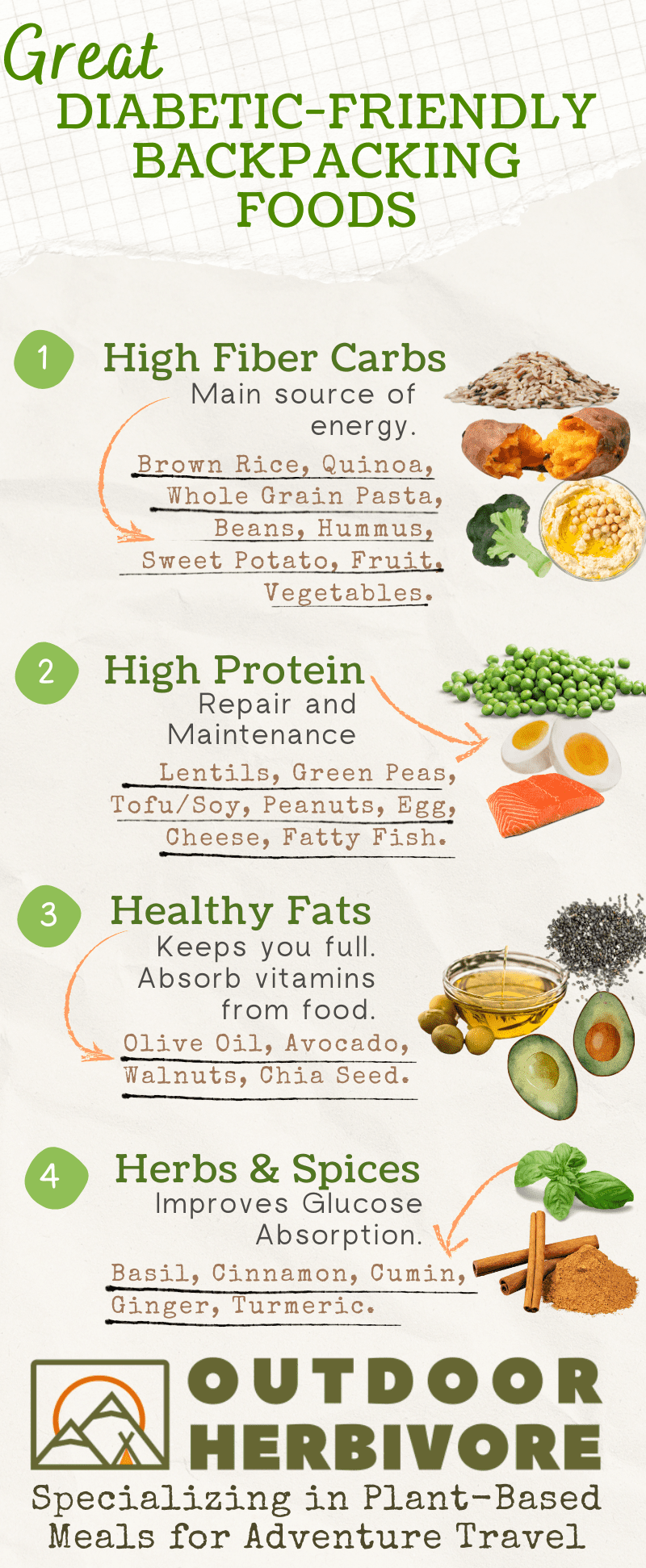
Consuming a surplus of calories long-term leads to the accumulation of fat in the liver and pancreas that causes type 2 diabetes (T2D). Any activity that decreases intra-organ fat can put diabetes into remission. Backpacking is an excellent activity for people with diabetes. It’s a moderately intense aerobic activity that reduces weight and builds muscle mass, improving insulin sensitivity and lowering blood glucose. In fact, for every 10% increase in muscle mass, you get an 11% reduction in insulin resistance.[1] With some planning, you can find trail food to keep blood sugar levels in check. Here are some suggested diabetic-friendly […]
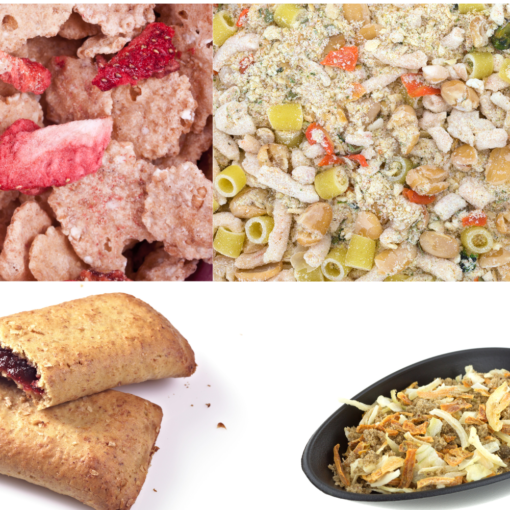
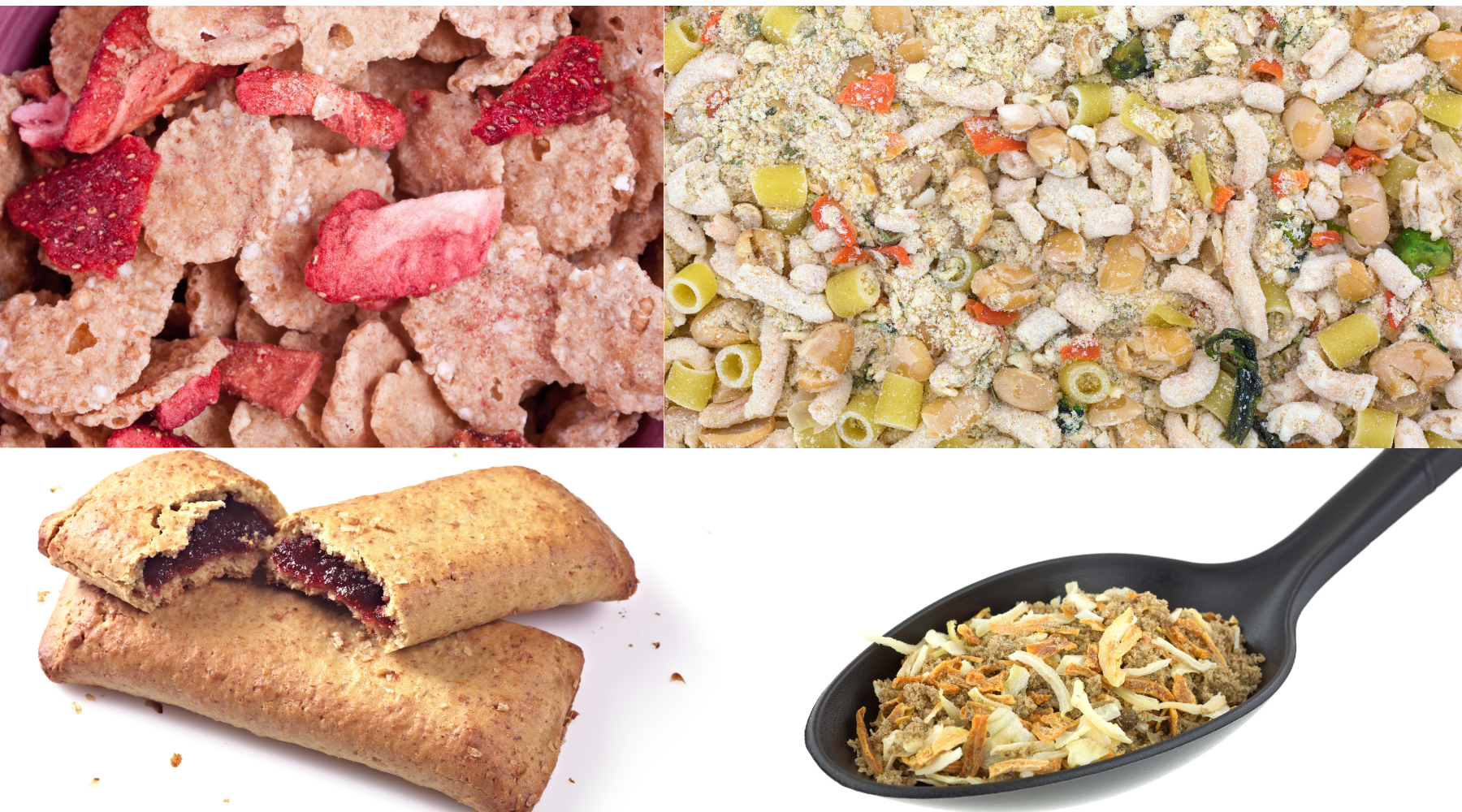
Food additives are commonly used to prevent or slow spoilage during storage, preserve vitamin content, or alter food’s appearance, taste, and texture. Food coloring is a type of additive that is functionally unnecessary — its sole purpose is to make food appear more colorful. Unsurprisingly, food dye is common in mass-produced packaged foods that you might be tempted to take backpacking. Common “backpacking” foods containing food dye include packaged food containing dried fruit and vegetables, cheese mix, butter powder, and gelatin. This includes – Pasta dishes Rice dishes Soup mix Trail mix Granola bars & Pop tarts Cheese-flavored chips and […]
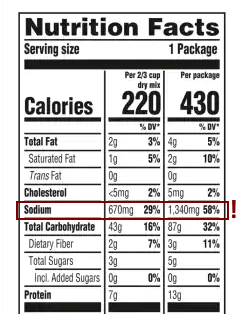
A common question we get from backpackers is, “What backpacking meals do you have that are low in sodium?” Low sodium is a regulated term for food containing 140 mg of sodium or less per serving. Most packaged food will not meet this definition because salt functions as a natural preservative and drying agent. Fresh food and water-packed meals are your best bet for finding low sodium food. Beyond that, dried single ingredients, especially freeze-dried fruits and vegetables, are more likely to be low in sodium than dried packaged meals. A small amount of sodium is found naturally in many plant foods, although most get added […]


After exerting all that energy to carry the weight of your food on your back, the last thing you want to do is to lose valuable calories by eating carelessly. Chewing your food thoroughly is one of the most important and overlooked things you can do to improve calorie and nutrient absorption from trail foods. How to Maximize Calorie Absorption Digestion starts in the mouth before it can happen in the stomach and intestines. Chewing your food not only breaks the food down into smaller pieces so it can be swallowed, but the saliva from your mouth releases carbohydrate-digesting enzymes. […]