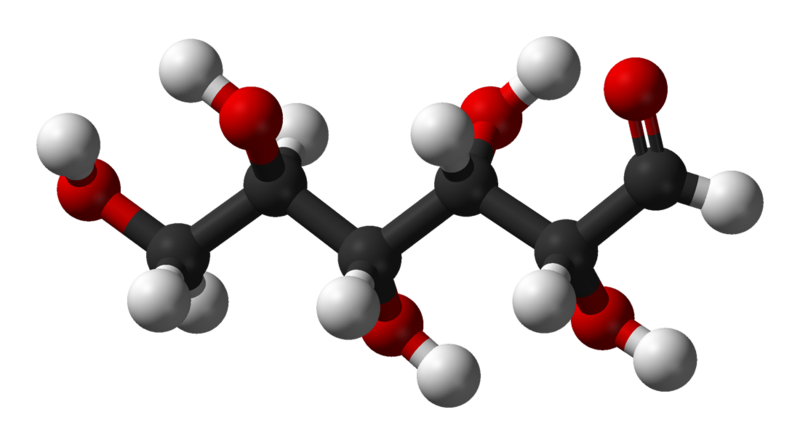
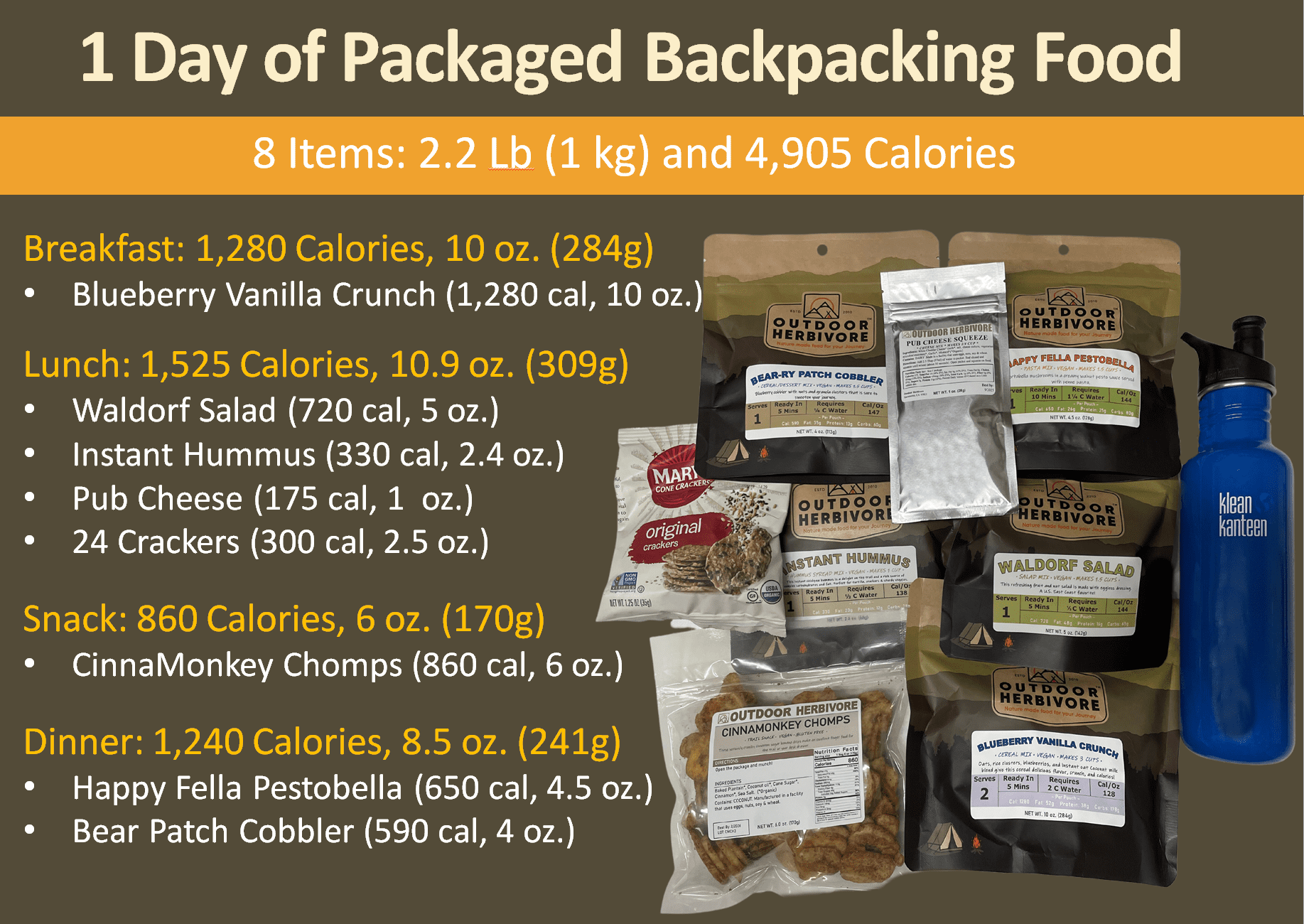
Food is a mixture of nutrients that produce energy for the body, stimulate growth, and maintain life. The six classes of nutrients: Carbohydrates Protein Fats Vitamins Minerals Water Of these six nutrients, only the first 3 provide calories in the form of energy for the body: carbohydrates, protein, and fat. 1 gram of carbohydrate = 4 calories 1 gram of protein = 4 calories 1 gram of fat = 9 calories Backpacking in mountainous terrain can burn 4,000 to 5,000 calories per day. If fat makes up more than the combined calories of a protein and carbohydrate, why not just […]
Dietary
45 posts
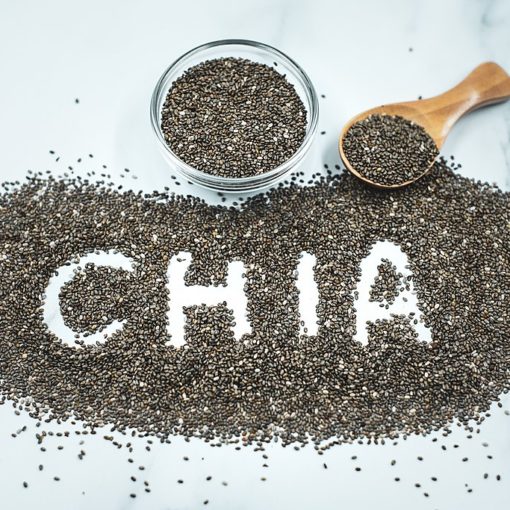
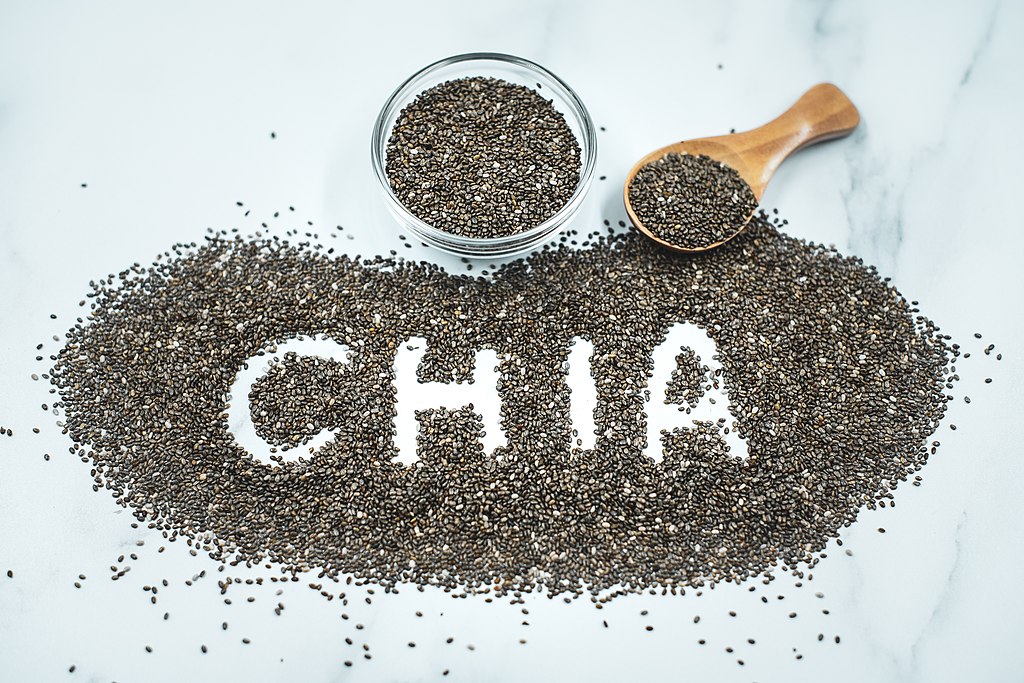
Chia seeds offer extensive value for the lightweight backpacker. Here’s why: Tiny and lightweight with a storage life of up to 5 years. Require no cooking. Chia seeds are great for making cold-soaked pudding, cereal, or smoothies. Chia Seed High Energy Content: 140 Calories per 1.0 oz (28.35 g) or 2 TB. Have a good nutrient profile with omega-3 fat, dietary fiber, phosphorus, and calcium. Maintain hydration: their ability to absorb water helps maintain hydration during intense physical activities. How to Eat Chia You can eat chia seeds by cold soaking them in water, sprinkling them on oats and other […]

For long-distance backpackers, the significance of consuming high-calorie vegetarian fats cannot be overstated. When traversing mountainous terrain, you can burn up to 5,000 calories daily. Since fat provides the highest calorie content by weight, hikers should increase their fat intake to compensate for these lost calories. However, it’s not just about energy. Fats also play crucial roles in insulating your body, supporting immunity and brain health, and aiding in the absorption of vitamins from the food you eat. They even help carry fat-soluble vitamins, including vitamins A, D, E, and K. It’s important to recognize that not all fats are […]
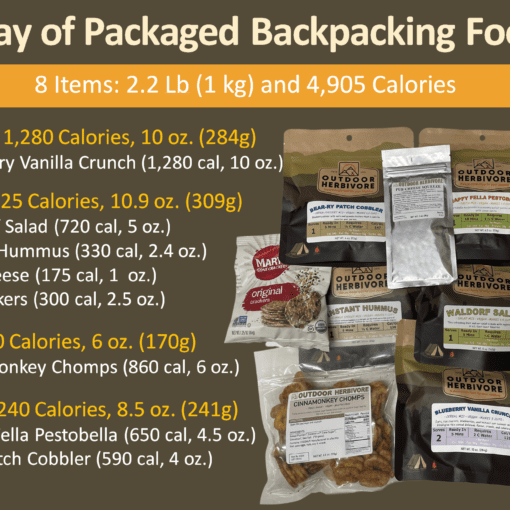
We hope these tips help you stay lean, yet strong and healthy on your next long distance hike.
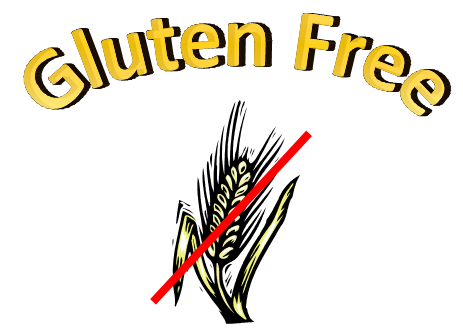
Hikers often report feeling mentally and physically better when on a gluten-free or gluten-light diet while on the trail. However, gluten, a protein found in wheat, barley, and rye, can be challenging to eliminate. Gluten is present in most high-carbohydrate backpacking foods, such as pasta and rice meals, cereals, and packaged snacks. Preparation is key when it comes to gluten-free backpacking food. Before embarking on your journey: Take the time to plan your meals and snacks carefully. Consider factors such as caloric density and ease of preparation. Opt for lightweight, non-perishable ingredients that sustain energy throughout your trek. Learn to […]